

Flux 2 vs Stable Diffusion 3.5: The Open-Source Image Race Has a Clear Leader
Flux 2 leads on quality, Stable Diffusion 3.5 keeps the deepest ecosystem. How to choose between them in 2026.
Category
327 articles
Flux 2 leads on quality, Stable Diffusion 3.5 keeps the deepest ecosystem. How to choose between them in 2026.

Licensing, indemnification, and Adobe Firefly's legal cover: what you can safely publish in 2026.
What the 2026 text rendering breakthrough means for design, signage, multilingual work, and content detection.
Speed and text versus resolution and consistency: a grounded 2026 comparison of GPT Image 2 and Nano Banana Pro.

What V8.1 and V8.2 changed, what the subscription costs, and who should actually pay for Midjourney in 2026.

A side-by-side comparison of Jimeng, Tongyi Wanxiang, Kling, Doubao, and LiblibAI: image quality, Chinese understanding, commercial copyright, and free quota—choose the right tool for your needs.
The fall 2026 reshuffle of AI image models, the image-first workflow Reddit agreed on, and a practical guide to matching models to jobs.
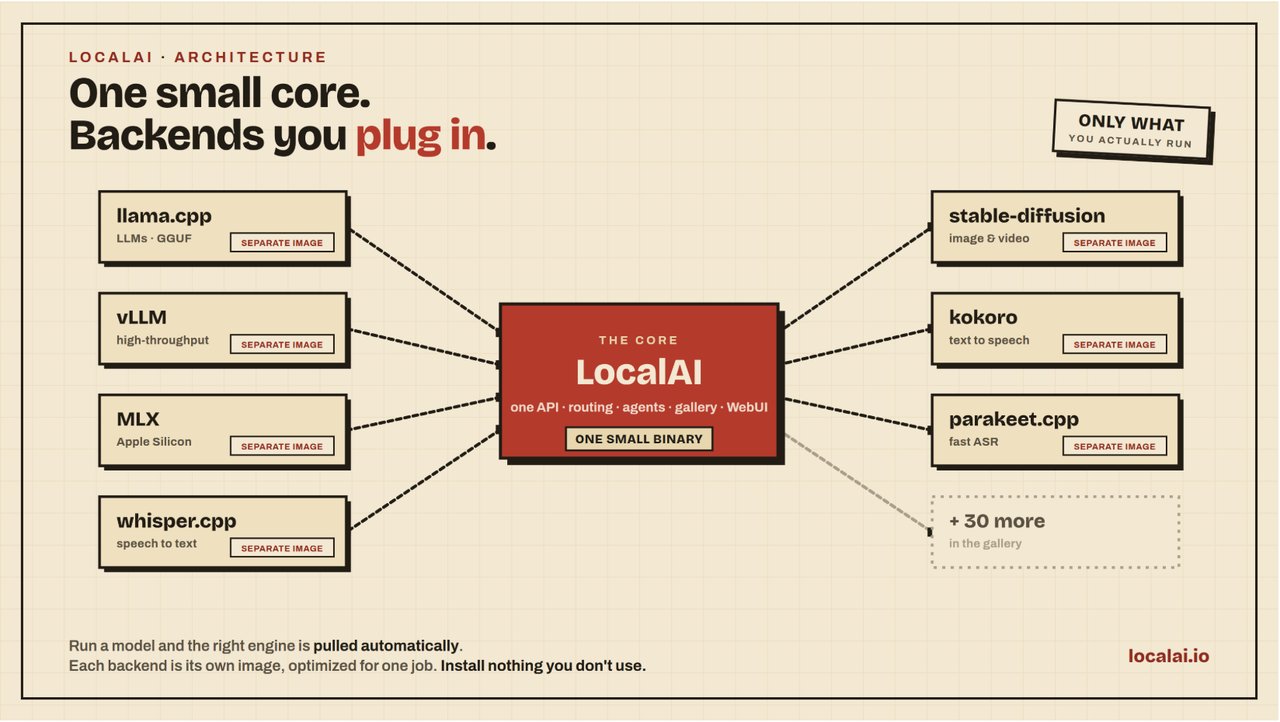
LocalAI is an open-source, self-hosted AI engine that runs LLMs, image/video/voice models on any hardware — no GPU required. Install via Docker, load any model, and keep your data private.
Discover Deep-Live-Cam, the open-source tool that swaps faces in real time using a single image. Learn to install it and use it responsibly.
Hermes Agent is an open-source AI agent from Nous Research that learns skills over time, remembers your context, and runs from your phone, laptop, or a $5 VPS.
Humanizer rewrites AI-sounding text into natural, human prose using 35 patterns from Wikipedia's 'Signs of AI writing.' Here's how it works, with before-and-after examples and install steps.
VoiceStudio brings a free, open-source, local-first voice studio to your desktop — clone any voice from three seconds of audio and generate in 646 languages without a single dollar spent.