
GPT Image 2 vs Nano Banana Pro: The 2026 Showdown Nobody Can Agree On
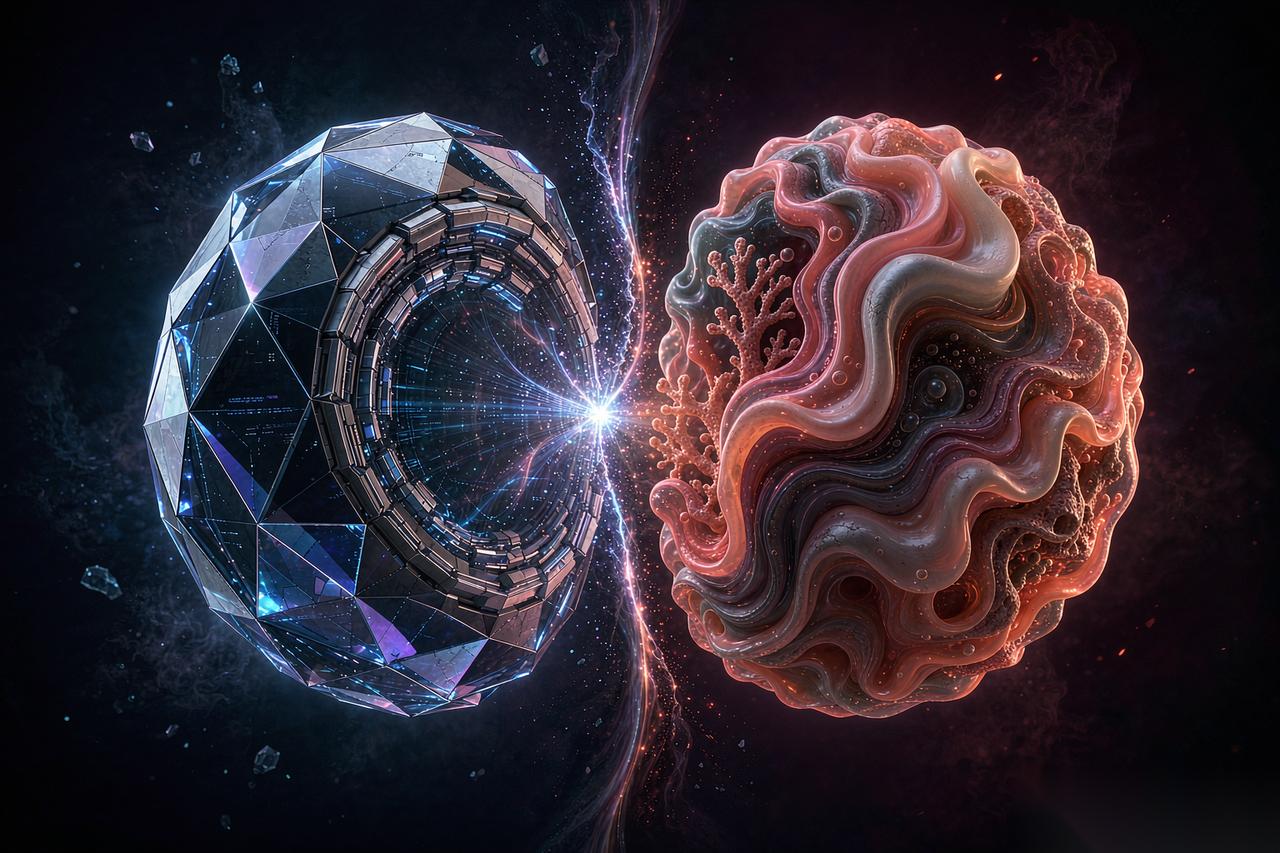
Two models have spent 2026 trading the top spot on the text-to-image leaderboards, and the community still can't settle which one is better. OpenAI's GPT Image 2 leads the Artificial Analysis arena at an Elo of 1,370 as of September. Google's Nano Banana Pro holds the crown for photorealism in a lot of Reddit threads. Depending on who you ask, either one is the best model ever made or overrated.
The truth sits in the middle, and it splits along one axis: speed and text versus resolution and consistency.
What each model actually is
GPT Image 2 is OpenAI's dedicated image model, released April 21, 2026, under the "ChatGPT Images 2.0" umbrella. The DALL-E name is gone. It's built into ChatGPT and available through an API, with token-based pricing. Its two strengths are generation speed, around three seconds per image, and text rendering, which is now close to solved.
Nano Banana Pro is Google's Gemini-based image model, first released November 20, 2025. Its strengths are native 4K output, a 14-image reference system for keeping characters and styles consistent, and material rendering that looks genuinely photographic. It's slower, typically 10 to 15 seconds per generation.
The numbers that matter
A ZDNET evaluation using 30 factors scored GPT Image 2 at 150 points against Nano Banana's 131. But the raw scores hide the split. GPT Image 2 wins on speed, logical consistency, and text. Nano Banana wins on resolution, reference handling, and skin and material detail.
The blind-vote leaderboards tell a slightly different story. GPT Image 2 tops them for prompt accuracy and text rendering. But Midjourney isn't even on those boards, which should tell you something about how much the leaderboards cover the actual market.
Pricing is another dividing line. Nano Banana Pro costs around $0.24 per 4K image. GPT Image 2 runs about $0.21. Both are in the same rough band, but you get different things for the money: GPT Image 2 gives you speed and iteration, Nano Banana gives you resolution and consistency.
What the community actually says
The Reddit reaction has been noisy. On r/singularity, when the first "tape" series models appeared on the blind-test arena, one user wrote that the model was "absolutely crazy, far beyond Nano Banana." Those tape models, with names like maskingtape-alpha and gaffertape-alpha, were widely assumed to be GPT Image 2 in disguise. A thread about them pulled 366 upvotes and over 200 comments in a day.
But the verdict wasn't unanimous. When someone ran a three-way comparison of Nano Banana Pro, GPT Image 2, and the older GPT Image 1.5, their conclusion was measured: "In this case, NBP is still better, but GPT Image 2 is definitely a significant improvement over 1.5."
The text rendering is the thing that changed the conversation. A user named @PlayingGodAGI posted two test images: an anatomical diagram where every muscle, bone, and nerve label was textbook-accurate, and a YouTube homepage screenshot where the UI and titles rendered without distortion. His take: "This eliminates the last flaw of AI-generated images."
Japanese blogger @masahirochaen tested the same model on Japanese text and found the kana and kanji rendered correctly, which Reddit noticed too. One commenter pointed out that "the Kanji and Katakana are both valid," a sentence that would have been absurd two years ago.
The reference image gap
The most under-discussed difference between the two is how they handle reference images, and it's not close.
Nano Banana Pro supports up to 14 reference images, which is the strongest in the field. You can feed it a character sheet, a style board, and a product shot, and it will hold the subject's identity across a whole run of generations. For a brand building a set of consistent assets, this is the feature that makes the decision for them.
GPT Image 2 supports reference images too, but the limit is around four. It's fine for a single-shot "make this product look like it's in a kitchen" edit. It's not built for the kind of multi-image, character-consistency workflow that Nano Banana Pro encourages.
The difference reflects a philosophical split. Google built Nano Banana around the idea of iteration through reference and grounding, pulling real-world context into the image. OpenAI built GPT Image 2 around conversation and speed, where you refine through back-and-forth dialogue rather than through a stack of reference files.
The watermark and provenance question
There's one more thing worth putting on the table, and it's about trust rather than quality.
Nano Banana Pro ships with SynthID watermarking baked in, Google's approach to marking AI content invisibly so it can be traced later. OpenAI has its own provenance efforts, but Google's is the more visible commitment to responsible deployment.
For most casual users this doesn't change anything. For platforms and publishers that care about labeling AI content, the watermarking difference can tip a decision.
Which one should you pick
Pick GPT Image 2 if you're iterating. Three-second generations change how you work: you try ten prompts in the time Nano Banana produces two images. If you need signs, logos, or typography, it's the better tool. If you're already inside ChatGPT, it's the obvious default.
Pick Nano Banana Pro if your project lives or dies on visual consistency. The 14-image reference system is the strongest in the field for keeping a character's face stable across a whole asset set. The native 4K output also means you don't lose detail to upscaling. For product visualization, brand assets, or storytelling with a recurring character, it's the safer choice.
The gap between the two is now small enough that the "right" answer depends on the specific prompt, which is exactly what one tester said. That's a healthier place for the market to be than a clear winner, even if it makes buying decisions harder.
If you're still torn, the tiebreaker is simple. Buy the one that fits how you already work. If you live in ChatGPT, take GPT Image 2 and don't look back. If you're building a consistent brand or character library, Nano Banana Pro's reference system will save you more time than any speed difference. The models are close enough that workflow fit beats raw specs.
Related articles
Flux 2 vs Stable Diffusion 3.5: The Open-Source Image Race Has a Clear Leader
Flux 2 leads on quality, Stable Diffusion 3.5 keeps the deepest ecosystem. How to choose between them in 2026.
Who Owns an AI-Generated Image? Copyright, and the Firefly Loophole
Licensing, indemnification, and Adobe Firefly's legal cover: what you can safely publish in 2026.
AI Finally Learned to Spell: Why the Text Rendering Breakthrough Matters
What the 2026 text rendering breakthrough means for design, signage, multilingual work, and content detection.
Midjourney V8.2 in 2026: Still the King of AI Aesthetics, but It Costs You
What V8.1 and V8.2 changed, what the subscription costs, and who should actually pay for Midjourney in 2026.