
Midjourney V8.2 in 2026: Still the King of AI Aesthetics, but It Costs You
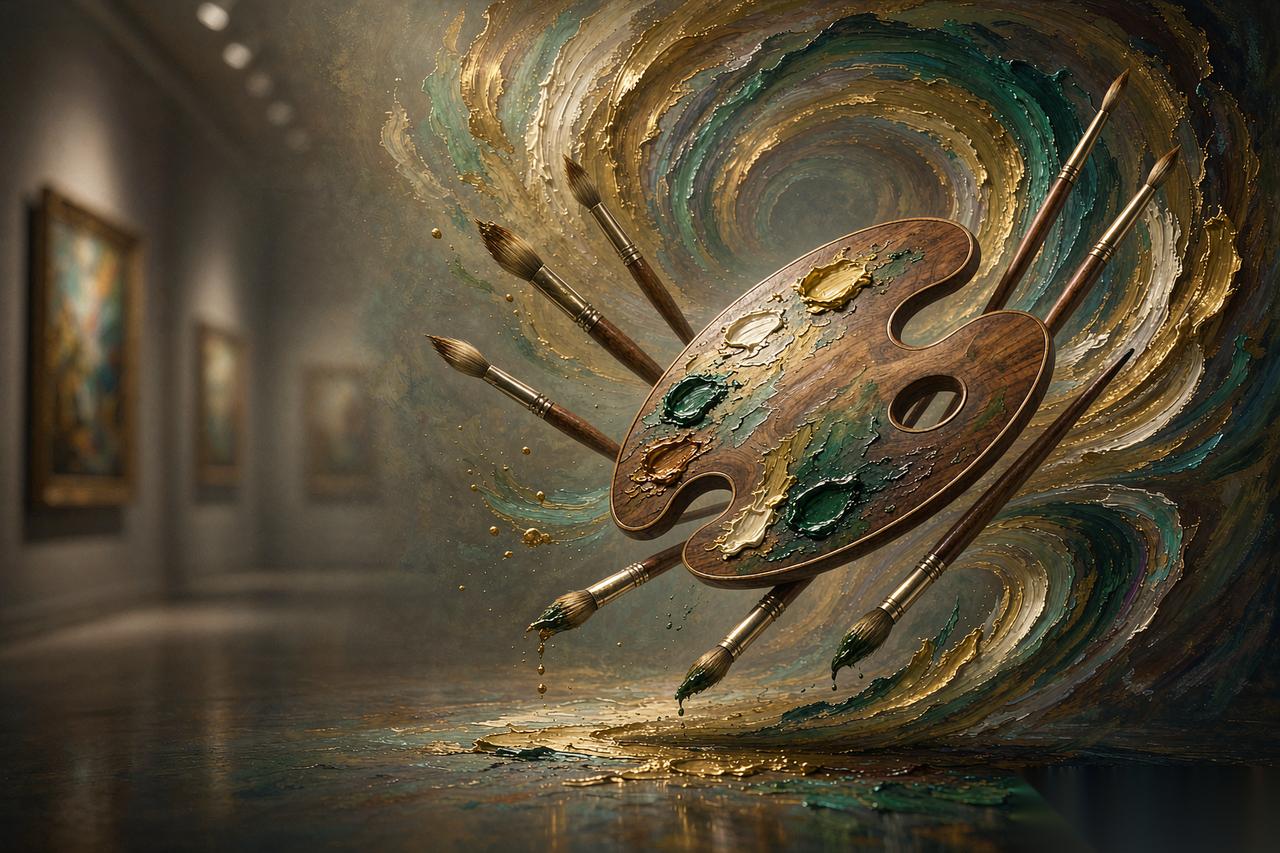
Midjourney has a weird position in 2026. Every other major image model ships an API and a per-image price. Midjourney has neither. It's a subscription app that runs through a web interface and Discord, and yet it keeps winning the conversations about "which tool produces the best looking image."
The short answer, based on a run of recent head-to-head tests, is that it still does. The longer answer involves a version number most roundups get wrong.
The version you should actually be talking about
A lot of what's still floating around the search results is stale. Midjourney moved fast through its V8 line. V8 alpha landed in March 2026. V8.1 followed in April and became the site-wide default on June 10. Then V8.2 shipped as a preview on June 25 and became the default on July 24.
If a review is still benchmarking V8.1, it's a release behind. If it's testing V7, it's testing a model from a different era.
V8.1 fixed the two complaints people had about V7. It's roughly five times faster, and it holds character and object consistency across images much better. Native 2K output also cut down on the need to run everything through an external upscaler.
V8.2 built on that and, in August, added an instruction-based edit model. That's a meaningful shift for a tool that historically wanted you to re-roll prompts instead of refining an image you already liked.
Where it still wins
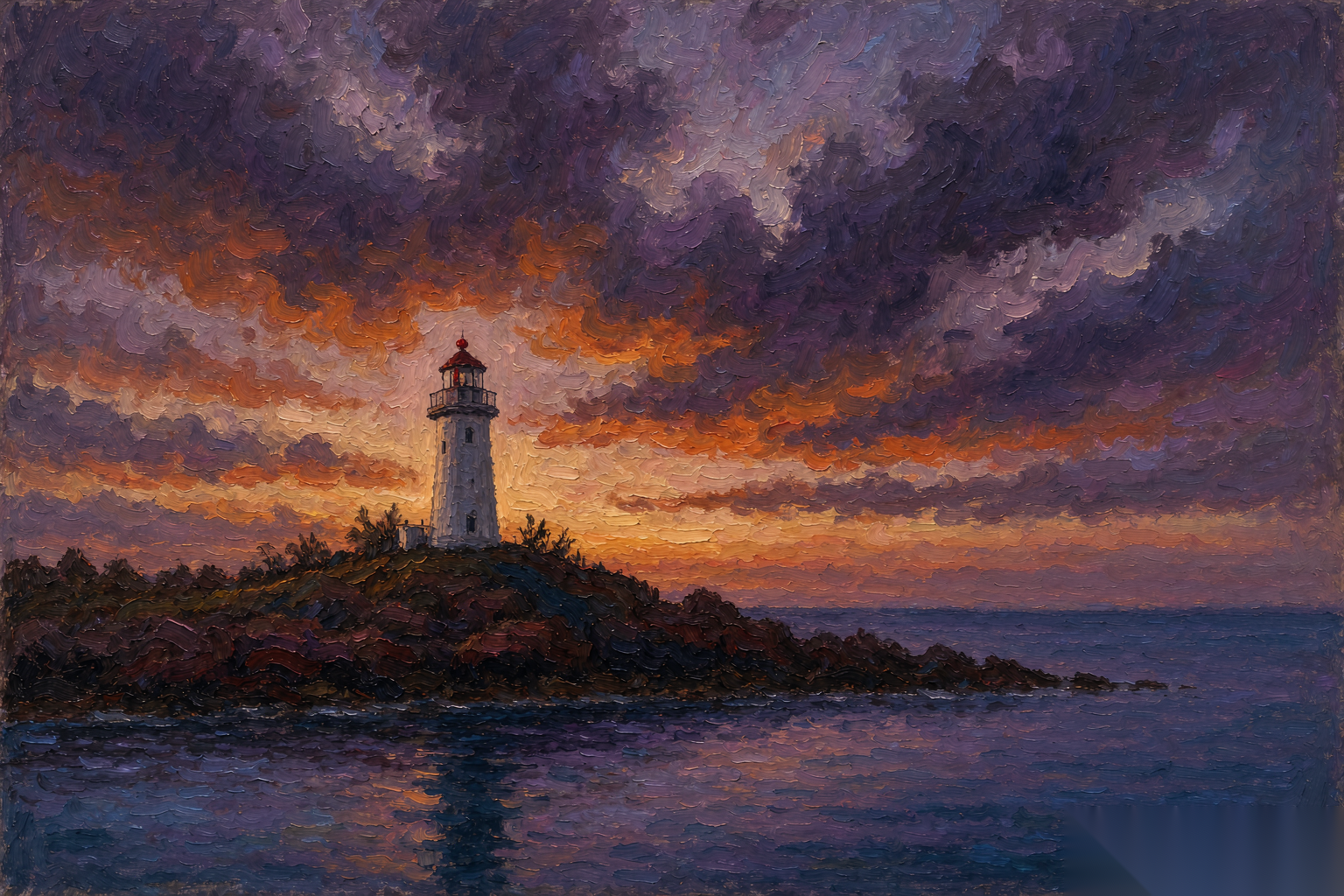
Across more than 200 comparison tests from independent reviewers this season, Midjourney keeps coming out on top for color harmony, composition, and sheer range of styles. The phrasing that shows up again and again is "aesthetic ceiling." When a designer wants a mood, a texture, a painterly feel, Midjourney is the tool that gets there without fighting you.
The tradeoff is control. Midjourney is not great at dense text. Single stylized words are fine, long strings of letters start to fall apart. For a poster with a headline, you'd pick something else. For an editorial illustration with no words, Midjourney is still the reference.
What it costs
Midjourney is subscription only, and there's no free tier. Four plans sit between $10 and $120 a month, with a 20 percent discount on annual billing. The Basic plan at $10 is the entry point, Standard runs $30, Pro $60, Mega $120.
That pricing sits above the entry level of the rest of the market. A 2026 survey puts the market's entry-level price around $7 a month, under Midjourney's floor.
There's a licensing detail worth knowing if you plan to sell the work. Midjourney's terms require companies with more than $1 million in annual revenue to be on Pro or Mega to use outputs commercially. It also offers no IP indemnification, and the copyright status of unedited AI output remains legally murky everywhere, not just here.
How it stacks up on specific jobs
The "which tool" question only makes sense when you attach it to a specific task, and that's where Midjourney's strengths and gaps become concrete.
For stylized or painterly work, Midjourney is the pick. A concept artist who needs a mood board, an editorial illustrator who wants a specific texture, an art director chasing a vibe: these are Midjourney jobs, and the community around the tool reflects it.
For photorealism, Midjourney is good but not the best. Flux tends to win on studio portraits that fool the eye, and Nano Banana Pro holds the edge on material rendering like glass, fluid, and skin. Midjourney's realism is strong, just not the reference.
For text and layout, Midjourney is the weakest of the majors. It handles a single stylized word well enough. A headline, a menu, a poster with a paragraph, and it starts to drift. Anyone doing typography-heavy work should not be paying Midjourney for that job.
The consistency story has also improved but isn't equal across the board. V8.1 and V8.2 hold characters and objects better than V7 did, but Google's 14-image reference system is still stronger for strict character continuity. Midjourney's consistency is "good enough for a mood board," not "locked across a full asset set."
The API problem
For developers, Midjourney still has no public API in 2026. That's been true for years and hasn't changed. If you need to generate images inside a product, you look at Flux, OpenAI, or Google instead.
That gap shapes who Midjourney is actually for. It's for art directors, illustrators, and people whose job is the image itself, not a feature buried in an app. The community around it reflects that. The conversations on its forums and subreddits are about style and prompting, not about uptime or tokens.
Should you pay for it?
A few quick answers to the questions people actually ask.
"Is the $10 Basic plan enough?" For trying the tool and producing a modest volume of images, yes. The limits will pinch if you're doing heavy iteration, and you'll feel the pull toward Standard quickly.
"Do I need the higher tiers?" Only if you're generating at volume or the commercial terms matter. The $1 million revenue threshold is the line where Pro or Mega becomes a compliance question rather than a preference.
"Can I run it on my own hardware?" No. Midjourney is a hosted subscription with no local option and no API. That's part of why the pricing stays flat-rate rather than per-image.
The honest answer to the main question depends on one thing: do you need the best looking image, or do you need an image in your pipeline?
If it's the first, Midjourney V8.2 is still the benchmark. Pay the $10, try it for a month, and see if the ceiling matters to your work. If it's the second, skip it. An API model that's good enough and costs a fraction of a cent per image will serve you better, and you can always hop into Midjourney for the occasional hero shot that needs to be beautiful rather than merely correct.
Midjourney's stubbornness about staying a closed, subscription-only product has become its identity. It's not trying to be everything. It's trying to be the best at one thing, and in September 2026, it mostly still is.
Related articles
Flux 2 vs Stable Diffusion 3.5: The Open-Source Image Race Has a Clear Leader
Flux 2 leads on quality, Stable Diffusion 3.5 keeps the deepest ecosystem. How to choose between them in 2026.
Who Owns an AI-Generated Image? Copyright, and the Firefly Loophole
Licensing, indemnification, and Adobe Firefly's legal cover: what you can safely publish in 2026.
AI Finally Learned to Spell: Why the Text Rendering Breakthrough Matters
What the 2026 text rendering breakthrough means for design, signage, multilingual work, and content detection.
GPT Image 2 vs Nano Banana Pro: The 2026 Showdown Nobody Can Agree On
Speed and text versus resolution and consistency: a grounded 2026 comparison of GPT Image 2 and Nano Banana Pro.