
GPT Image 2 vs Nano Banana Pro: The 2026 Showdown Nobody Can Agree On
Speed and text versus resolution and consistency: a grounded 2026 comparison of GPT Image 2 and Nano Banana Pro.
Category
336 articles
Speed and text versus resolution and consistency: a grounded 2026 comparison of GPT Image 2 and Nano Banana Pro.
What V8.1 and V8.2 changed, what the subscription costs, and who should actually pay for Midjourney in 2026.
A side-by-side comparison of Jimeng, Tongyi Wanxiang, Kling, Doubao, and LiblibAI: image quality, Chinese understanding, commercial copyright, and free quota—choose the right tool for your needs.
The fall 2026 reshuffle of AI image models, the image-first workflow Reddit agreed on, and a practical guide to matching models to jobs.
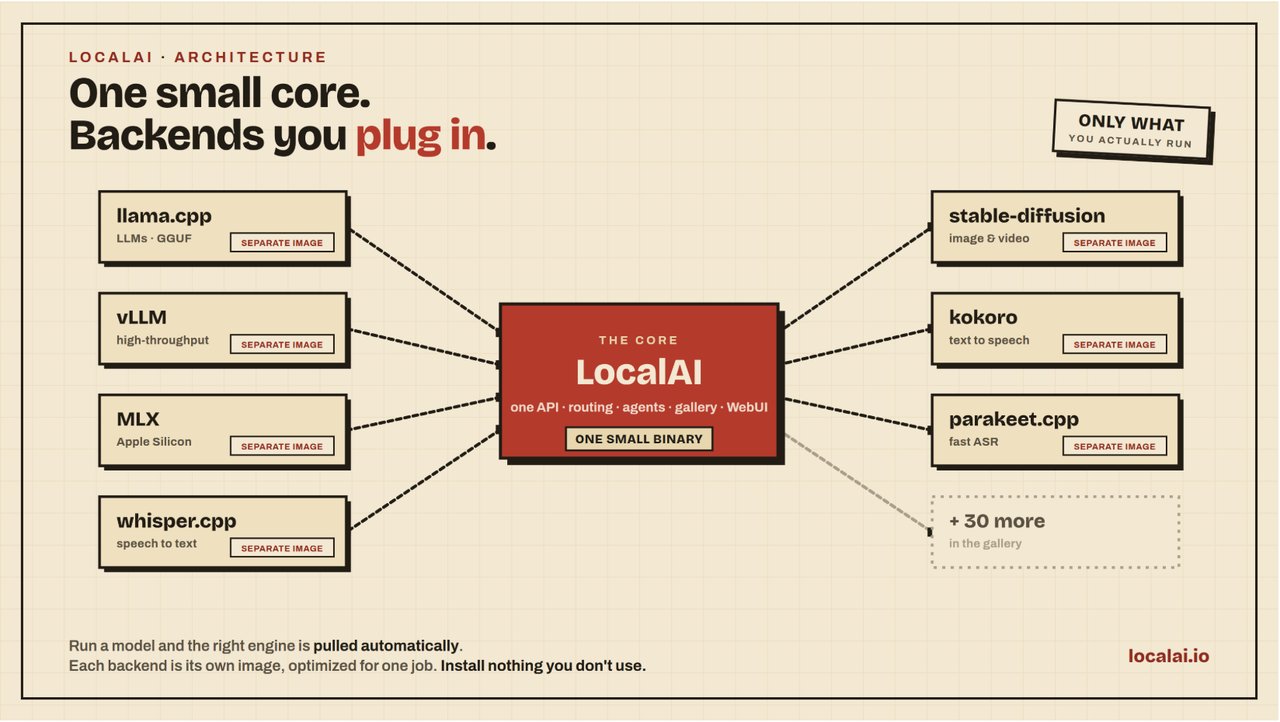
LocalAI is an open-source, self-hosted AI engine that runs LLMs, image/video/voice models on any hardware — no GPU required. Install via Docker, load any model, and keep your data private.
Discover Deep-Live-Cam, the open-source tool that swaps faces in real time using a single image. Learn to install it and use it responsibly.
Hermes Agent is an open-source AI agent from Nous Research that learns skills over time, remembers your context, and runs from your phone, laptop, or a $5 VPS.
Humanizer rewrites AI-sounding text into natural, human prose using 35 patterns from Wikipedia's 'Signs of AI writing.' Here's how it works, with before-and-after examples and install steps.
VoiceStudio brings a free, open-source, local-first voice studio to your desktop — clone any voice from three seconds of audio and generate in 646 languages without a single dollar spent.
TimesFM 3.0 by Google Research adds native multivariate forecasting, covariate support, and top benchmark scores. Here's how to get started with code examples.
OpenClaude is an open-source coding-agent CLI that unifies cloud and local LLMs in one terminal-first workflow: prompts, tools, agents, MCP, streaming, and even a pixel-art buddy.
Photo Abstract Editorial is an open-source layout project that doesn't redraw photos but instead distills abstract memories from the original image. This article explains its core logic, workflow, and why it lets the photo speak for itself.