
An Arizona Court Threw Out a Sentence Because an AI Video Spoke for the Victim
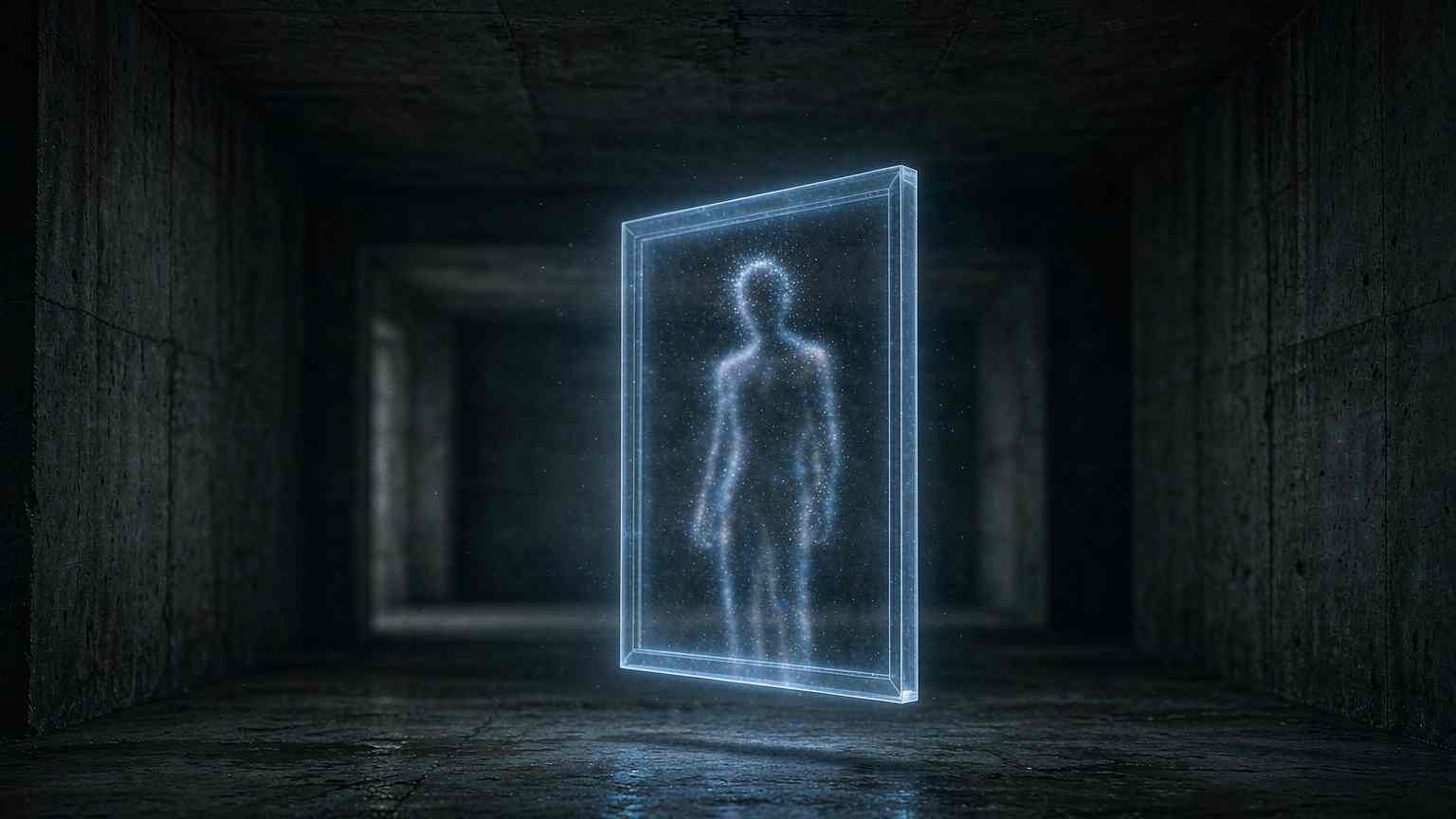
An appeals court in Arizona has ordered a new sentencing hearing in a manslaughter case after the judge who imposed the original sentence watched a video in which the dead victim, recreated with artificial intelligence, appeared to address the courtroom. The three-judge panel upheld the conviction on September 30 but vacated the sentence, ruling that the AI-generated depiction introduced unreliable information and made the proceeding fundamentally unfair.
The case began with a road-rage shooting. In November 2021, Gabriel Paul Horcasitas, then 55, shot and killed Christopher Pelkey, 37, at a Chandler intersection. Horcasitas told police that Pelkey charged his car and threatened him. Witnesses said Pelkey had not advanced past the rear of his own truck. Two juries rejected the self-defense claim. Horcasitas was convicted of manslaughter and sentenced in May 2025 to the presumptive 10.5 years.
What happened next is the part that drew international attention. During the sentencing hearing, family members and friends described their loss. Pelkey's brother read a statement Pelkey had written in his lifetime. Then Pelkey appeared to speak for himself.
A sister's video, and a judge's reaction
Pelkey's sister, Stacey Wales, had used AI to build a video that combined real footage of her brother with a synthetic reconstruction of his face and voice. The generated figure explained at the outset that he was a version of himself recreated through AI. It told the court it was a true representation of who he had been, addressed Horcasitas directly, and said it believed in forgiveness and in God who forgives. It closed by telling his family he would see them on the other side. The courtroom clip is believed to be the first of its kind in a U.S. court.
Superior Court Judge Todd Lang did not hide his reaction. He thanked the family, said he believed the words came from the heart, and told the room how moved he was by the presentation. He then imposed 10.5 years. Prosecutors had asked for nine. The defense had asked for seven.
Horcasitas's lawyer appealed, arguing that he had no meaningful chance to rebut AI-generated material that the sentencing judge relied on. Because no objection was raised at the hearing, the appellate court reviewed the matter under the demanding standard for fundamental error.
The line the court drew
The panel's reasoning turns on a distinction that will matter well beyond this case. Genuine recordings and photographs of a victim are permissible victim-impact evidence; Arizona law gives crime victims broad rights to be heard, and the usual rules of evidence are relaxed at sentencing. What the court objected to was something narrower. The AI portions manufactured new speech, expressions, and gestures and attributed them to a man who could neither confirm nor reject them.
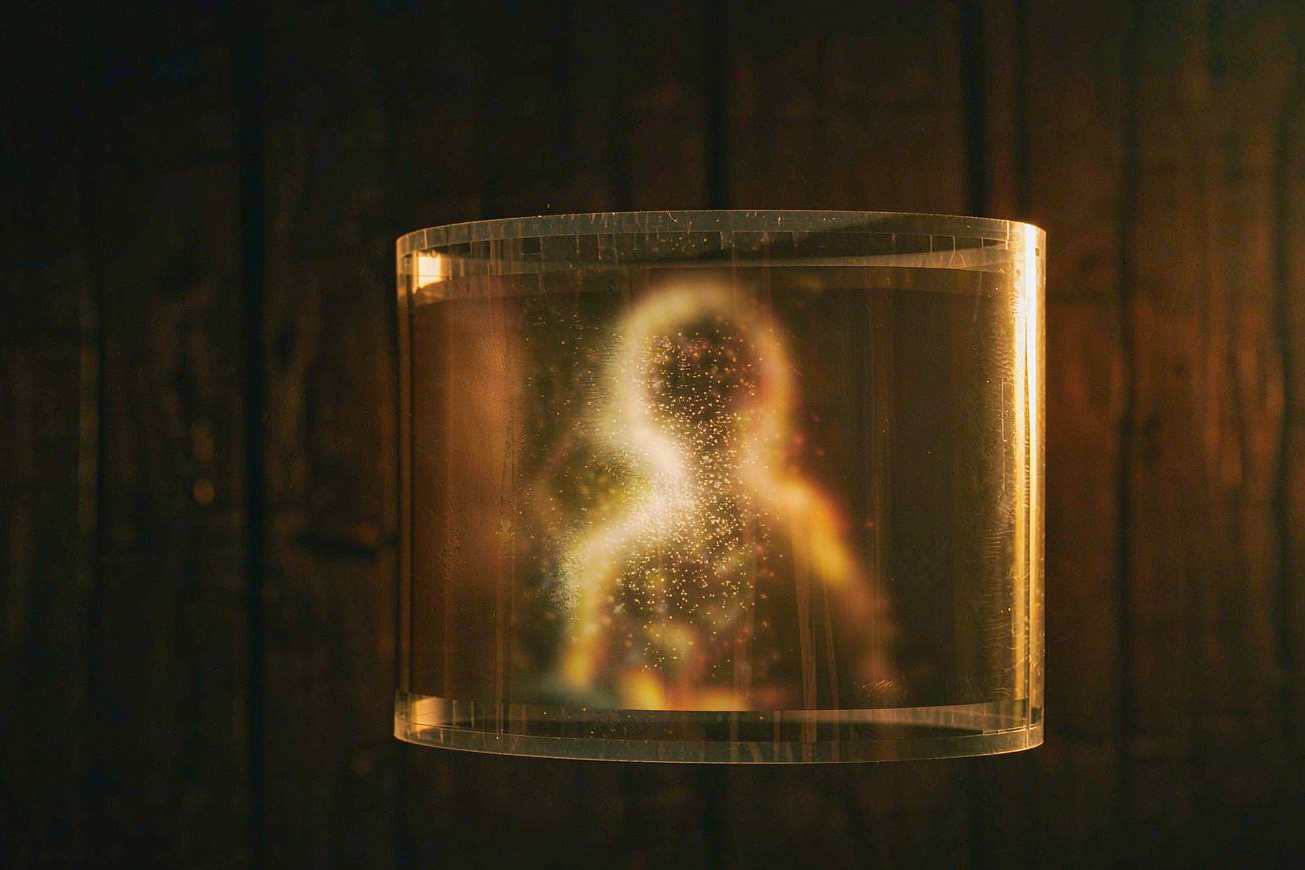
"Rather than document an event or recording a particular moment, the AI video presents a depiction of the victim and his thoughts created from the imaginings of the victim's sister," the panel wrote. It added that the presentation "erases the interpretive distance between the family's belief about what the victim would have said and the victim's own voice and opinions."
Due process requires that information used to set a punishment be reliable, because a defendant has a right to be sentenced on an accurate factual basis. The court found that the judge's own comments showed the video carried weight, which made the calculation of how much unnecessary. The conviction stands. Horcasitas will be resentenced.
Why the ruling is narrower than it looks
Read carefully, the decision does not ban AI from the courtroom, and it does not tell victims how to grieve. It separates two uses that look identical on a screen. Technology that reproduces authentic material can be shown. Technology that generates new conduct and then presents it in the voice of a person who did not say it raises a reliability question that sentencing courts have never had to answer before, because until recently the tool to do it did not exist.
Wales disagrees with the outcome. She told reporters that her only goal was to humanize her brother before the judge, that her family selected words they believed he would have said, and that the appellate court drew an arbitrary line between media formats. Families routinely play slideshows, display collages, and read poetry to convey grief, she said, and ruling that modern digital tools cannot deliver the same message restricts how victims exercise a constitutional right to be heard. Her lawyer has told the family that using AI again could invite another appeal.
The wider pattern
Arizona is not alone in working through these questions. On September 30, the Tokyo District Court ruled that a human voice can receive publicity-rights protection when a performer's commercial appeal is at stake, siding with the actor Kenjiro Tsuda in a dispute over an AI imitation of his voice. In August, the Delhi High Court issued a permanent injunction against social media accounts that spread deepfake videos of a television journalist, setting a 36-hour takedown window for platforms. Courts are applying existing law, from personality rights to misrepresentation, because dedicated AI statutes have not caught up.
The through-line is provenance. When generated narration is placed alongside authenticated evidence, the question covers both what the material says and who stands behind it. The Arizona panel answered that question for one sentencing hearing, and in doing so wrote down a rule the rest of the system will now have to test: reproducing what a person did is one thing, and speaking for them is another.
What lawyers are watching next
The decision leaves several practical questions open, and each of them points to work that has only just begun. Courts will need a way to tell authentic footage from generated footage inside a single exhibit, since the Arizona video mixed both and the panel treated the real clips as fine while rejecting the synthetic ones. A piece of media that is partly genuine and partly fabricated is harder to rule on than either extreme, and the tools to certify which is which are still maturing.
There is also the question of who is responsible when a family, rather than a law firm, creates the material. Wales was not a party to the case and acted on her own judgment about what her brother would have said. The court treated the video as evidence introduced to the proceeding, but the person who made it had no professional duty to flag its limits, and the judge, by his own account, found it moving enough to say so out loud. That combination, a sincere creator and an unguarded decision-maker, is exactly the one that will keep producing disputes.
Then there is disclosure. Nothing in the record makes clear whether the court or the lawyers knew in advance that an AI-generated statement would be played. If future rules require advance notice, the practice may survive in a more constrained form. If they do not, the Arizona ruling will stand as a narrow precedent: allowed at the moment, unreliable on appeal, and expensive to discover that way.
Other jurisdictions will be watching closely, because the same tools are cheap and widely available. Prosecutors and defense attorneys on both sides now have a reason to think about synthetic victim statements and synthetic defendants alike, and the standard that emerges from Arizona, one district court at a time, will shape how courts across the country handle a witness who is not really there.
Related articles
The Money Is Moving Into Physical AI: SiMa.ai's $1.45B, and Agents That Design Hardware
The capital is arriving ahead of the evidence. The deployments over the next year will say whether the bet was right.
OpenAI Will Watermark ChatGPT Text in the EU. Its Own Numbers Show How Fragile That Is
A marker that routine paraphrasing can strip may satisfy the letter of Article 50 while failing the job the article was written to do.
MCP's Trust Model Let One Poisoned Agent Reach Into Another
The instruction never crosses a boundary in the code, so no layer is left to ask whether the request made sense.
AI Anime Short Dramas Obtain the First Data Intellectual Property Certificate: How the Creative Process Becomes Evidence for Rights Protection
When the marginal cost of content laundering approaches zero, what creators lack most is not ideas, but a record that can prove where the ideas came from.