
Tencent Hunyuan Brings AI Image Generation to Film and TV Sets: Hands-On with HyImage 3.5 Preview
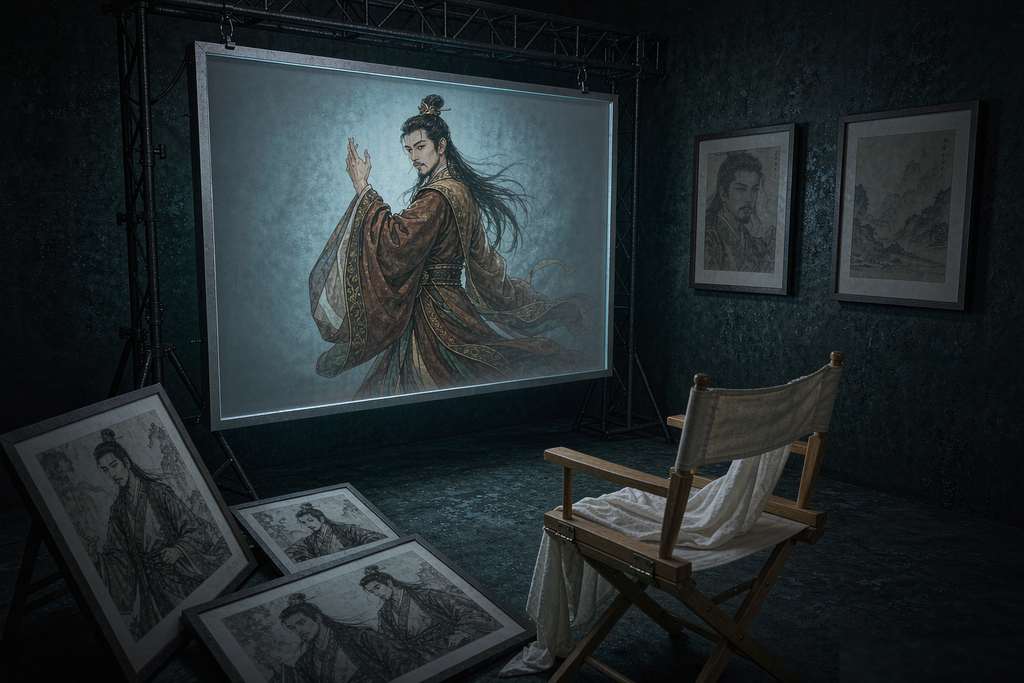
On September 22, Tencent Hunyuan released its latest professional-grade image generation model, HyImage 3.5 preview, first integrated into WorkRally, the film and television intelligence platform under Tencent Video, and free for platform creators for two weeks. The news spread faster in film and TV circles than in the AI community, for a simple reason: it is not another model that “can generate images,” but a productivity tool specifically aimed at episode storyboards, film and TV materials, and character and scene setting.
This Time, Hunyuan Is Betting on Professional Creation
Over the past two years, Chinese image generation models have competed most fiercely on the consumer side: who generates images fastest, who offers the most free credits, and who can let an ordinary person create an image with a single prompt. HyImage 3.5 preview takes a narrower and harder path: serving as a tool for professional production teams.
According to official data, in blind tests with hundreds of professional creators, this model improved by about 30% compared with HyImage 3.0. It supports both text-to-image and image-to-image generation, can take up to 5 reference images at a time, and outputs at up to 2K resolution. The improvements focus on three dimensions: text rendering and layout, realism and stylistic expression, and editing consistency.
These three areas are precisely targeted. For people working in film and TV, the three biggest headaches are exactly these: whether the text and layout in a frame are correct, whether materials, textures, and lighting look real enough, and whether the same character looks consistent across different shots. Simply put, this time Hunyuan is addressing whether AI can truly be used on set, not whether the image looks good.
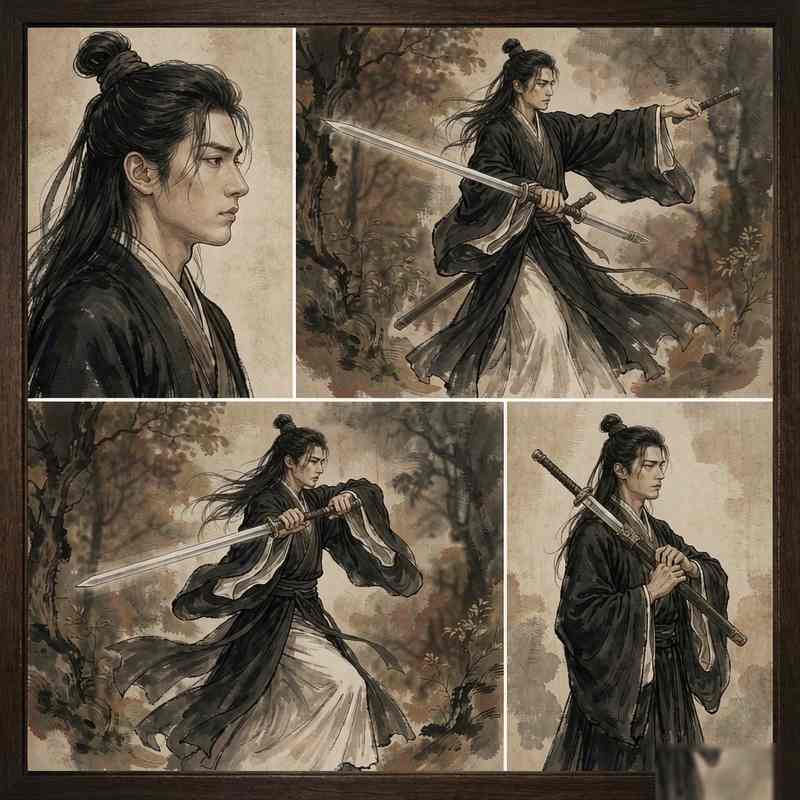
What Launched Together with Xingbiao Is a Complete Production Workflow
HyImage 3.5 preview is not a standalone model release; it was rolled out along with a complete production pipeline. On September 20, Tencent Video launched Xingbiao, a premium AI drama with live-action performances, using a combination of live-action shooting and AI generation. According to the official introduction, the drama’s storyboard generation, blending of live-action footage with generated content, and multi-version shot iteration were all completed on WorkRally.
What does that mean? It means Hunyuan’s model is not a lab demo, but has already been run through a real, publicly released drama. This “show the work first, then talk about capabilities” rhythm is rare in Chinese AI image generation.
WorkRally gives creators three access paths. The first is the “Infinite Canvas” on the homepage, where an intelligent director directly generates visuals, suitable for quickly testing directions. The second is to create a canvas, select HyImage 3.5 preview in the image generation node, and refine a single shot repeatedly. The third is episode workflows, generating assets and storyboards in batches based on the script. These three paths correspond to rapid experimentation, single-shot refinement, and full-episode production, covering the main stages from concept design to final storyboards.
The Self-Developed Features Hidden Behind the Model
Besides the model itself, WorkRally has also built several film-specific features on the new foundation: multi-camera image generation, image relighting, aperture adjustment, and visual referential editing. These features sound specialized, but for practitioners they are real, hard needs.
For example, with image relighting, the traditional approach is to fiddle with lights in 3D software or adjust frame by frame in post. Now you can use a single sentence to change the light in a scene from dusk to noon, and the light-shadow relationships of characters and environment change along with it, rather than simply overlaying a filter. Multi-camera image generation solves a very practical problem: for the same scene, a director may want several camera setups such as shot/reverse shot, wide shot, and close-up. Previously you had to generate them version by version; now you can lay out the shots while keeping the scene consistent.
Visual referential editing is also worth mentioning. It allows you to use natural language like “replace the cup in the left person’s hand with a phone” to edit an image, rather than going back to the prompt and redescribing the whole image. At this level of precision, on-set editing can save dozens of rounds of rework.
Beyond the Model, What Is the Real Moat
The person in charge of WorkRally put it very plainly: AI is going deep into creative development, visual previsualization, concept design, style exploration, post-production assistance, and promotional asset generation, gradually turning originally high-threshold technologies into tools and workflows; but what truly determines the long-term value of content is still characters, relationships, worldviews, and emotional connections.
This quote pinpoints the position of AI image generation in the film and television industry. Model capability determines the floor; it can allow a storyboard artist with no art background to produce usable frames. But whether a drama can move people still depends on the story itself. AI can lower the barrier to “drawing it out,” but it cannot replace “what you want to say.”
For ordinary creators, this update has another layer of meaning: it releases film-grade image generation capability at a relatively low cost. During the two-week free access period, as long as you register and log in to WorkRally with WeChat or a phone number, you can directly use HyImage 3.5 preview. In addition, OnSolo, an AI creation tool targeting overseas markets, has also integrated this model and is offering two weeks of free access to members.
How to Do the Math
If you just want an image for a WeChat official account post, HyImage 3.5 preview may not be the most convenient choice; consumer-grade tools like Jimeng and Doubao are enough. But if what you are working on involves characters, scenes, and multi-shot needs—whether it is a comic drama, a short film, or serious film and TV previsualization—the value of this system becomes clear.
What it really changes is turning “film-grade AI image generation” from an internal tool of big tech companies into something ordinary creators can get their hands on. As for how far this model can ultimately go, we will have to see whether, after Xingbiao, more real works can live up to it.
Related articles
Meta's Muse Image Costs About a Cent a Picture, Aimed at Advertisers
About a cent per image, aimed at advertisers: what Meta Muse's pricing means for ad creative and the two-lane image market.
DALL-E Is Gone. Here's Why the Name That Started AI Art Faded Out
OpenAI retired the DALL-E GPT on August 30, 2026. What changed, why now, and what the name meant for AI art.
Google Pics Puts Nano Banana Inside Docs and Slides, and Canva Should Watch
Object isolation, in-image text translation and Workspace integration: what Google Pics means for Canva and Adobe Express.
Grok Imagine Image 2.0 Is xAI's Argument That Editing Is the Real Job
Image 2.0 ranks second on both image arenas with region editing, 5-image fusion and smart resize. The editing-first bet, explained.