
Seedream 5.5 Hands You a Layer, Not a Picture
ByteDance's Seed team shipped Seedream 5.5 today, and the headline everyone will repeat is "100 rounds of editing." That number is real, in the sense that the model was trained to hold unedited regions at the pixel level across a hundred successive passes. But it is not the interesting part.
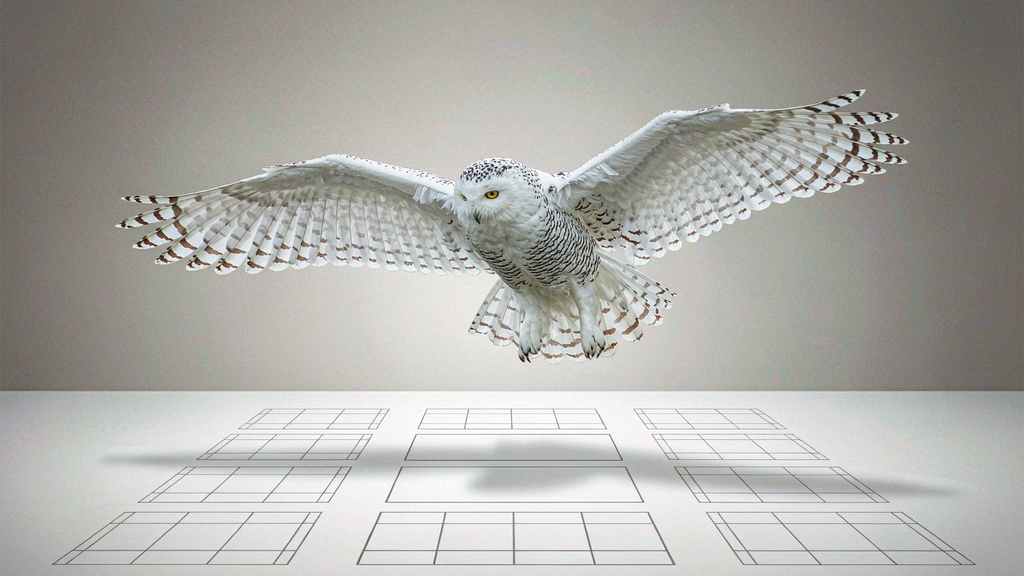
The interesting part is what comes out of the model. Seedream 5.5 generates native RGBA images — actual alpha channels, full and partial transparency, with layered output. A snowy owl with spread wings arrives as an asset you can drop onto a layout, not a rectangle with a background you have to cut away. ByteDance's own demo walks through feathers at the wingtips, the gaps between them, the outline of the claws. That is a background-removal problem being solved at the source.
Once you frame it that way, the 100-round edit claim stops being a spec-sheet flex and becomes a consequence. If the output is a layer in someone's design file, the layer has to survive being edited. Repeatedly. By people who are not the person who generated it.
What actually changed
Three things, per the release: multi-turn editing stability, native transparency, and rendering quality for skin, light and small text. The first two are the ones that matter for production.
On editing, the claim is pixel-level preservation of everything you did not ask to change. Successive edits normally degrade an image the way a photocopy of a photocopy does — detail softens, color drifts, the face slowly stops being the same face. ByteDance says 5.5 eliminates color shift in untouched regions and keeps subject features, framing and lighting consistent after more than a hundred passes. Their demo does jewelry and eyeglass frames, which is the right test: small objects with thin geometry, sitting against skin, with occlusion and contact shadows that have to stay coherent as the pose changes.
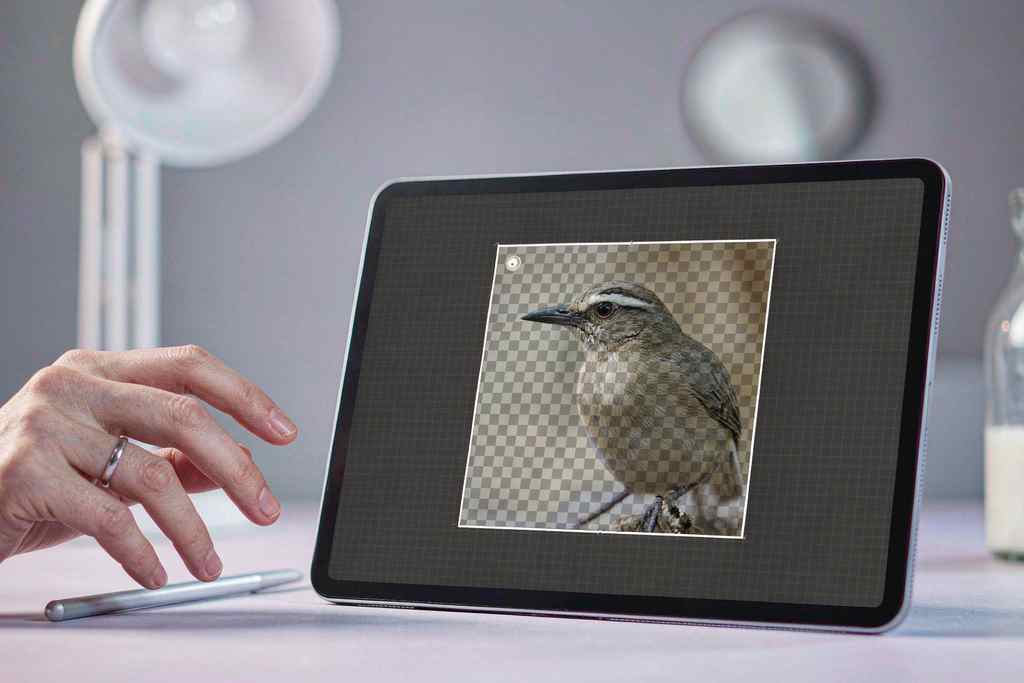
On transparency, the output can be text-to-image or reference-to-image, and the result carries an alpha channel. The model also supports layered output, so elements can be pulled apart and reused across a series.
On text, the numbers are unusually specific: severe text corruption down to 0.4%, minor corruption to 1.7%, across Chinese, English and dense small type. If those hold outside the demo set, the practical effect is that infographics and knowledge diagrams stop being a lottery. Chinese characters with complicated stroke order are where image models usually fall apart, and dense small text is where they fall apart quietly — you only notice when someone zooms in.
The price is the quiet part
Seedream 5.5 bills the same way 5.0 did: input image plus output image, text tokens free. For a 2K square edit, the cost lands around 0.28 RMB per image — less than half of Seedream 5.0 Pro. That is the number I would put at the top of the internal memo, ahead of any quality claim. Halving the cost of an edit is what makes a hundred-round workflow economically sane. At the old price, "just iterate until it's right" was a habit only studios could afford.
It is rolling out in Jimeng, Doubao and Doubao Work now, with the API due on Volcano Ark. A Pro version is promised later, aimed at more complex context and longer creative instructions.
Where this fits, and where it doesn't
The obvious fit is e-commerce and brand work: one product, many scenes, a layered asset per scene, no cutout step. The second fit is anything with a series — a campaign where the same character appears twelve times and the twelfth has to look like the first.
The honest limit is that vendor benchmarks are vendor benchmarks. ByteDance says it ran evaluations on MagicArena across six scenarios (e-commerce, marketing, film and TV, gaming, office, fashion design) and that usability doubled in film/TV and office compared with 5.0 Pro. It says image-to-image realism scored a GSB of +55.62% against the previous generation, and that 5.5 leads on text structure and text-to-image realism versus GPT Image 2.5 Sunburst and Nano Banana 2.1. All of that is the team grading its own homework. The 0.4% corruption figure in particular deserves an independent run before anyone puts it in a client deck.
There is also a workflow question nobody has answered yet: what happens to a layered RGBA asset when it moves between tools? A PSD round-trip, a Figma paste, a Premiere import — each one has its own idea of how alpha and layer order should behave. Native transparency solves the cutout problem. It does not solve the handoff problem.
A hundred rounds changes who reviews the work
There is a second-order effect that nobody at the launch mentioned. When a single image took four attempts, the person who reviewed it was the person who prompted it. The loop was short enough to keep in one head.
At a hundred rounds, the loop becomes a process with stages. Someone sets the direction. Someone else runs twenty passes against a shot list. A third person approves the version that goes into the layout. The final file has a history — a hundred decisions, most of them small, and no built-in record of why any of them were made.
That is a version-control problem wearing a creative costume. Studios already have an answer for it in photography: contact sheets, selects, a folder named final_final_v3. They do not have an answer for it in a model that can be re-run infinitely from the same starting point. The tooling that will matter most next year may not be the model at all, but whatever lets a team say "this is the approved state, and here is what changed since."
Seedream 5.5 makes the hundredth round cheap enough to attempt. It does not make it reviewable. Those are different problems, and only one of them is measured in fen.
The thing worth noticing
For two years, image models competed on the single frame. The pitch was "look at this one picture." What changed this autumn is that the pitch moved to "look at what you can do with this object afterwards." OpenAI put markup editing and SVG export into the 2.6 API. Figma built a node graph so a generation could be re-run and re-branched. Seedream 5.5 ships an alpha channel.
They are all pointing at the same conclusion: the picture was never the product. The picture was a step. Once a model can hand you a layer that survives a hundred edits, priced at twenty-eight fen, the bottleneck moves to the boring parts — naming conventions, asset libraries, version control, whoever is allowed to touch the master file.
That is a much less photogenic story than "AI can finally draw hands." It is also the one that decides whether a studio actually adopts this thing, or just posts the demo to a Slack channel and goes back to shooting.
Related articles
Kling's Technical Report Says the Bottleneck Is Not the Renderer
A video model team published an argument instead of an announcement, and the argument is that the renderer is the easy part.
The Three-Panel Film Strip Is the First AI Format With a House Style
Three frames, one person, cool tone, subtitle burned in. A generation trick turned into a distribution format.
Luma and Runway Moved the Model Into the Chat Box
Neither company shipped a better model this month. Both of them shipped a shorter path from question to render.
Disney Put an AI Lyric Video on Stage and a Lawsuit on File
Two things can be true at the same time, and the distinction the studio is drawing is about who authorized the training data.