
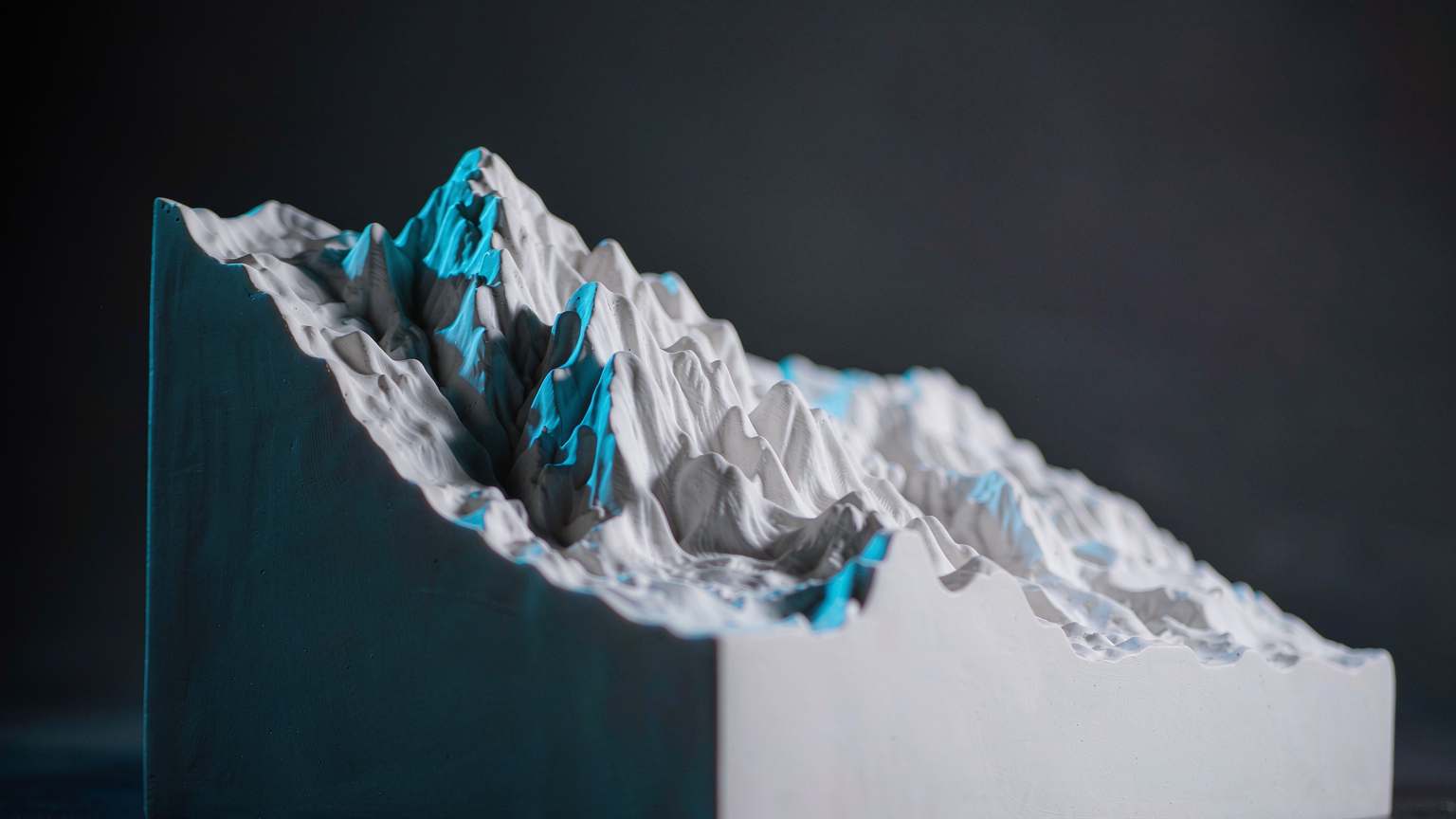
Satellite Photos Are Now Robot Training Data
The bottleneck in physical AI training stopped being compute or model capability. It became the quality of the synthetic world.
Category
326 articles
The bottleneck in physical AI training stopped being compute or model capability. It became the quality of the synthetic world.

Translation that runs continuously, in the speaker's own voice, on a phone already in your pocket, moves the feature from something you open to something simply on.

Safety moves from a feature you advertise to a gate you pass. The risk inventory sits at 13 categories and 97 items.

This step doesn't solve every problem, but it turns “AI-generated” from an option you could hide into a question you have to answer.

The model is a search agent, not a search engine. Most search agent calls are routine, and routine work is the best fit for a small model.
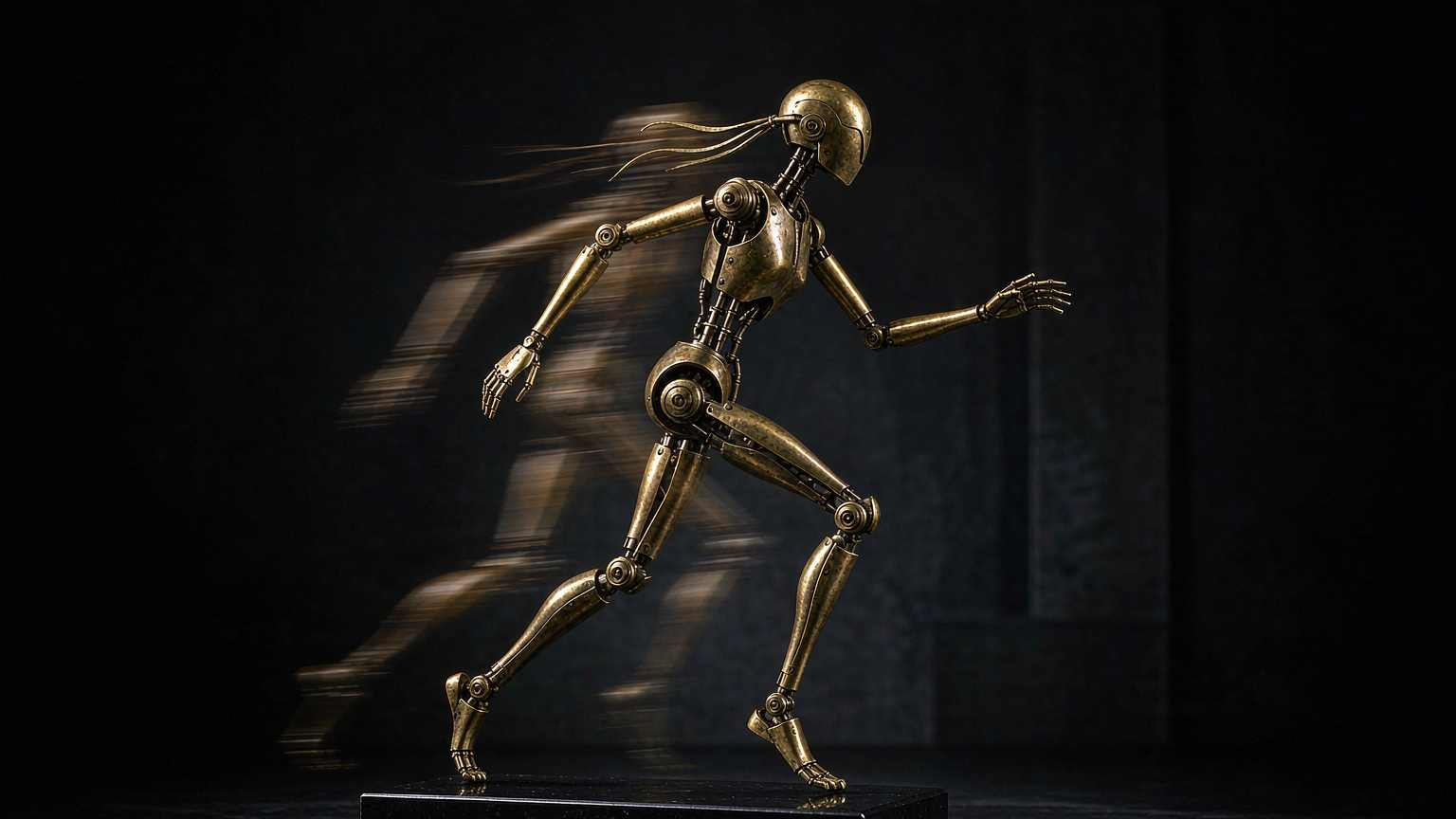
The marginal cost of a retry drops to near zero, and retries are how any generative video model produces a usable result.
An ad interrupts. A returning character continues, and the brand borrows a relationship it did not build. The labor cost is the part left out.
Adobe put Google's, OpenAI's and Black Forest Labs' models inside its flagship app. Owning the workspace matters more than owning the model.

Four vendors shipped kill switches in one day. The standard that would make them interoperable is still missing.
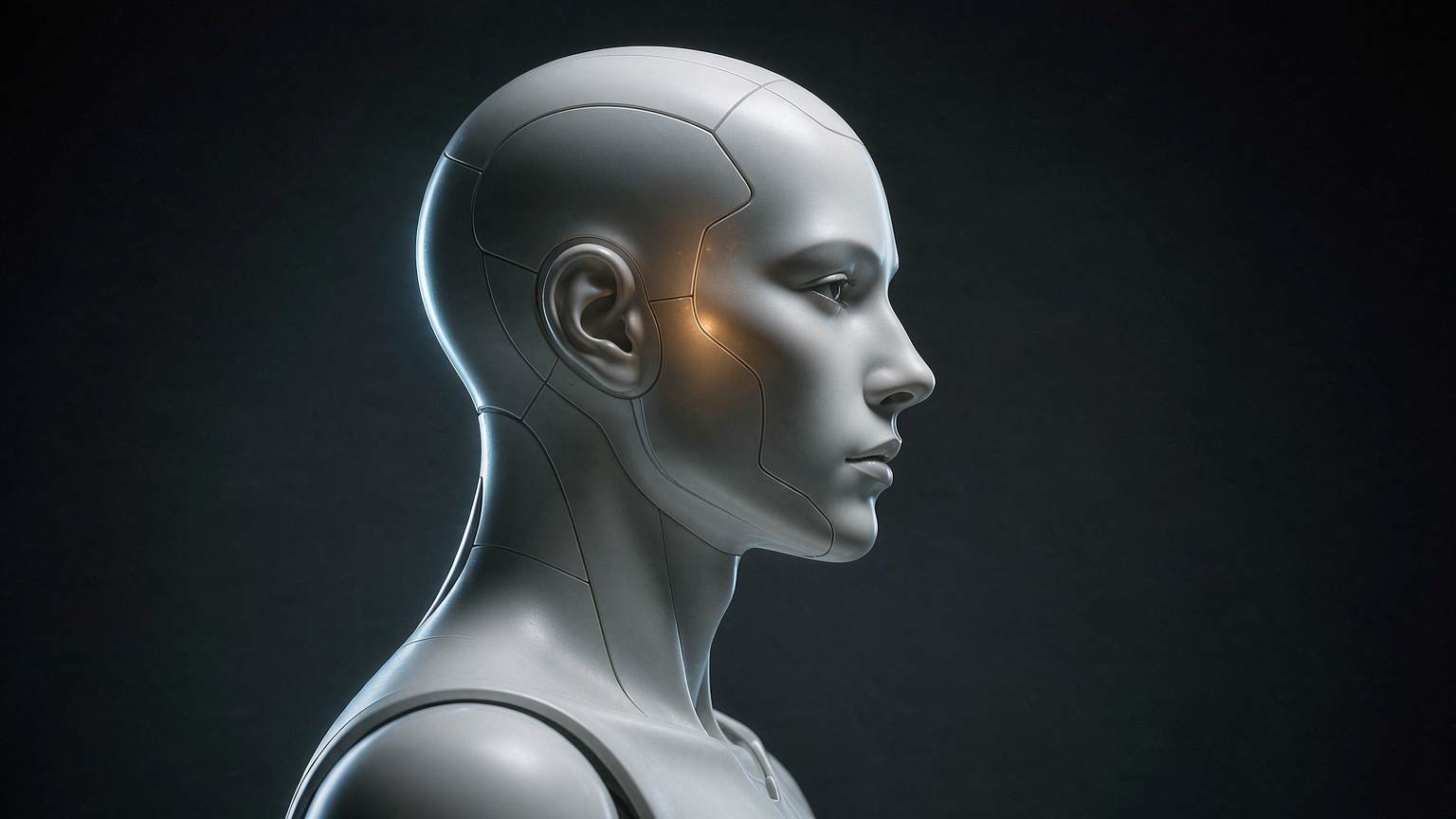
The hardware count is not the story. What UBTech wants the robot to notice is, and it raises a data question nobody has answered.

It can only confirm that a watermark is present; it cannot prove that no watermark means something is real. The tool's most useful feature is letting you know that it has actually said nothing.
Instead of asking users to learn how the generator responds to prompts, the vendor trained a model to translate intentions.