
Wan 2.2 Animate Puts Motion Capture on a Single Consumer GPU
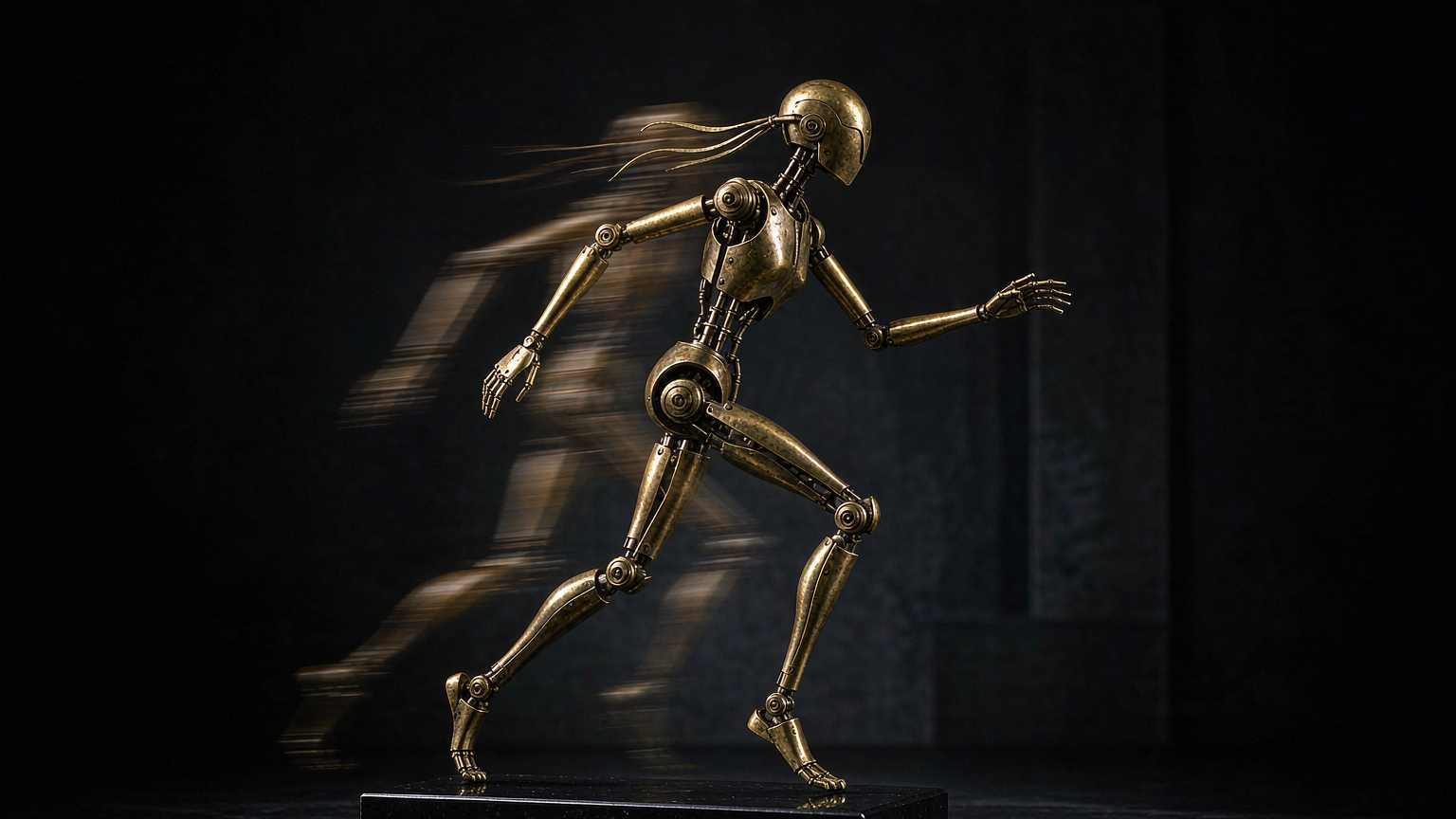
Alibaba's Tongyi Wanxiang team open-sourced Wan2.2-Animate-14B, a video model that unifies character animation and character replacement in one set of weights. The workflow is direct: feed it a video and a character image, get back a new video where that character performs the original motion.
The practical claim is what matters. The model runs on consumer hardware. An RTX 4090 generates a five-second 720p animation in roughly nine minutes, and the minimum VRAM floor is 8GB. It ships under Apache 2.0, which means commercial use is permitted.
The problem it addresses
Consider a small e-commerce seller with a single retouched photo of a model in a hanfu dress who wants that photo to dance on camera for a product page. The alternatives are limited. Renting a motion-capture setup is out of budget. Paying a commercial video platform costs more than ten yuan per generation, so a dozen attempts to get the motion right runs into the hundreds. Open-source options historically topped out around 480p, took half an hour per attempt, and crashed on weaker cards.
That gap between what the technology can do and what an individual creator can afford to run is the specific gap Wan 2.2 Animate targets. The model does not beat the best commercial systems on quality. It beats them on the combination of quality, cost, and access that an individual working alone actually needs.
It is worth being precise about why that combination is hard to achieve. Quality usually scales with parameters, parameters scale with VRAM, and VRAM scales with price. Getting a model to a usable quality bar on 8GB of memory requires work that has nothing to do with raw capability, which is why these releases tend to arrive from teams willing to invest in inference engineering rather than only in training.
One set of weights, two jobs
Animation and replacement sound like the same task, and they share most of their machinery. In animation, you supply the performer and the motion. In replacement, you supply the character and the scene already has a performer whose motion you want to transfer. Unifying them means one download and one workflow instead of two specialized models, which reduces both the setup burden and the storage footprint for anyone experimenting.
The model handles motion transfer and character replacement through the same weight set, which is the more interesting engineering result. Splitting these into separate models was the obvious architecture, and the fact that one model covers both suggests the underlying representation of motion is shared rather than task-specific.
That distinction has downstream consequences for how people will actually use the tool. Character replacement lets a brand put the same virtual model into many different scenes without reshooting, which is the workflow e-commerce sellers have been asking for since AI models started producing believable faces. Motion transfer lets a creator who has one good take reuse it across characters instead of performing the movement again. Both are efficiency plays, and both depend on the model not treating motion as a property of the specific character it was applied to.
What the pricing change actually means
The number that reframes this is one the seller in the example would notice immediately. A five-second clip on a commercial platform costs over ten yuan. On a 4090, the same clip costs electricity and nine minutes of time. The marginal cost of a retry drops to near zero, and retries are how you get a usable result out of any generative video model. The first generation is rarely the one you keep.
That shift changes the workflow as much as the budget. When each attempt costs real money, creators front-load their prompt engineering and accept whatever comes close. When attempts are free, they iterate. The quality of the final output often has more to do with how many times someone was willing to try than with the model's headline benchmark.
The honest limitations
Open-weight video models come with real constraints. Wan 2.2 Animate needs a decent GPU to be practical. Nine minutes for five seconds is fine for a product page and painful for anything longer. Anyone planning a longer sequence should budget for either a stronger card or an overnight batch.
The available evidence is largely vendor and community demonstrations, which means quality on unusual motions, occlusions, and unusual lighting is less established than the demonstration clips suggest. The failure cases for motion transfer tend to cluster around hands, fast movement, and anything with a complex silhouette. A dancer's skirt moving through a turn is harder than it looks, and demo reels rarely lead with the takes that went wrong. Anyone building a production pipeline should test on their own footage before committing.
There is also a consent dimension that open models tend to leave to the user. Character replacement makes it easy to put a face onto a performance that person did not give, and the tooling does not ask whether you have permission. The license permits commercial use, which is not the same as permitting use of someone's likeness.
The release also sits within a licensing market that has become a competitive variable. Apache 2.0 with no territory carve-outs puts Wan 2.2 Animate on the permissive end, which matters for developers who have been burned by open releases that exclude whole regions. Several recent open video models have shipped with licenses that exclude the United States, the EU, the UK, or South Korea, which turns a technical choice into a market segmentation decision. A genuinely unrestricted license is now a differentiator worth mentioning.
There is a maintenance question that open-weight releases tend to skip. Weights without a surviving team behind them age quickly, especially in video generation where the state of the art moves monthly. The early aggregation-level output in the community is good. Whether it is still the best option in six months depends on whether the Tongyi Wanxiang team keeps shipping updates, which is not something a release post can promise.
Where this goes
The interesting thing about cheap motion capture is what it enables beyond entertainment. A small brand that could never afford a production shoot can now build a library of product demonstrations. A teacher can animate a diagram. A game studio can prototype character movement without a capture stage. Each of these is a case where the technology was technically available years ago and practically unavailable because of cost and setup complexity.
The tool replaces the situation of having no option at all, which is where most individual creators actually are, rather than professional motion capture. The gap between a professional pipeline and nothing is enormous, and closing it with an open model that runs on a gaming card is a bigger change to the creator economy than another benchmark improvement would be.
Related articles
Satellite Photos Are Now Robot Training Data
The bottleneck in physical AI training stopped being compute or model capability. It became the quality of the synthetic world.
Google's Gemini 3.5 Live Translate Removes the Pause
Translation that runs continuously, in the speaker's own voice, on a phone already in your pocket, moves the feature from something you open to something simply on.
China Wrote the First Mandatory Safety Standard for AI Agents
Safety moves from a feature you advertise to a gate you pass. The risk inventory sits at 13 categories and 97 items.
AI-Generated Content Now Has to Declare Itself
This step doesn't solve every problem, but it turns “AI-generated” from an option you could hide into a question you have to answer.