
"AI Slop" Has Become a Boring Word: What Reddit and Hacker News Arguments Reveal About the Backlash
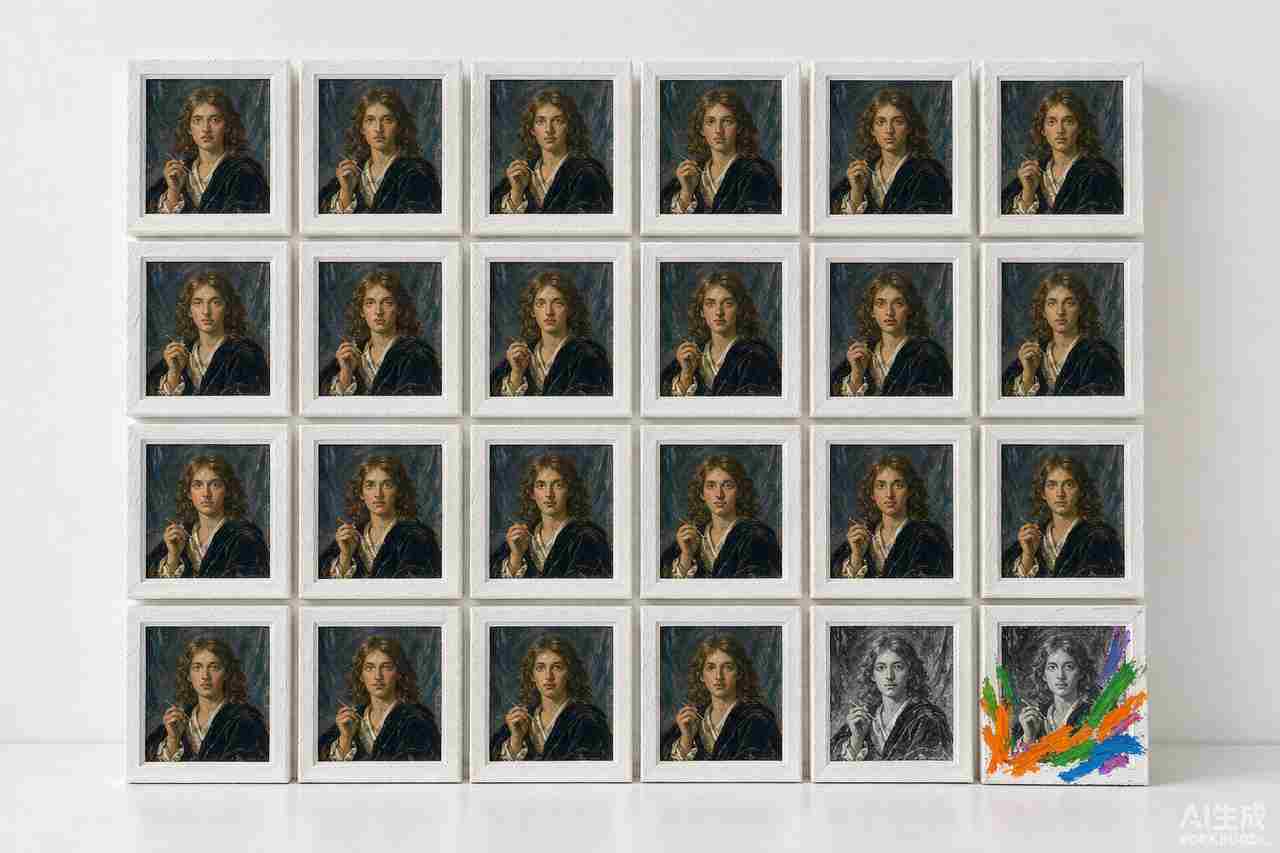
A post in r/singularity this month argued that the term "AI slop" has become more derivative than the content it mocks. It opened with a short history of art panics: a banana duct-taped to a wall sold for six figures and the discourse called it the death of culture; before that, Photoshop-edited models; before that, mass-produced landscape paintings of the same three mountains; before that, whatever the local academy decided was not real art. The post pulled enough engagement to sit among the subreddit's top discussions of the week, and the comments were less a fight than a tired shrug.
That shrug is the story. The backlash against AI images has entered its repetition phase, and the interesting question is what people argue about now that "it's not real art" has stopped settling anything.
The arguments that still have heat
Genuine grievances remain, and they are more specific than the slop framing. Restaurants using AI-generated food photography made the Wall Street Journal this month, and the reaction was not "AI is bad" but something sharper: the photograph is a promise, and a generated burger breaks it. Similarly, a Business Insider story about grandparents making AI images of their grandkids, over the objections of millennial parents, found a live nerve about children's faces being fed into systems without consent. Those are concrete harms with concrete victims, and they generate arguments with actual stakes.
Contrast that with the fading fights. When a creator in r/StableDiffusion asked this week how to deal with anti-AI comments after an unexpected 500k-view video, the advice in the replies was mostly practical: disclose, keep making, block freely. Two years ago that thread would have been a war. Now the war has mostly moved on, and what remains is etiquette.
The anatomy of a tired word
"Slop" earned its run. When hosted image generation first put a firehose in everyone's hands, the feeds did fill with low-effort output, and the word named something real: content produced to occupy space rather than to say anything. The criticism bit because it described an incentive, not a style.
Two years on, the word has been stretched over everything. Polished AI art is slop if the poster dislikes AI. Corporate posts are slop. Genuinely lazy content is slop. A term that names everything describes nothing, and the r/singularity post landed because it said the quiet part: calling something slop now tells you about the caller's position in the argument, not about the image. The history of prior panics in that post was doing the same work. Photography was going to kill painting. Photoshop was going to kill photography. The kills keep not arriving, and each round of failed prophecy makes the next one a harder sell.
Where the arguments still have teeth
Genuine grievances remain, and they are more specific than the slop framing. Restaurants using AI-generated food photography made the Wall Street Journal this month, and the reaction was not "AI is bad" but something sharper: the photograph is a promise, and a generated burger breaks it. Similarly, a Business Insider story about grandparents making AI images of their grandkids, over the objections of millennial parents, found a live nerve about children's faces being fed into systems without consent. Those are concrete harms with concrete victims, and they generate arguments with actual stakes.
Labor is the third zone, and it is quieter in the feeds than it is in the consequences. The restaurant story drew comments about food photographers losing work to a prompt. Illustration and stock photography took that hit earlier. The arguments are real, but note their shape: they are about who gets paid, not about whether the pixels are legitimate. That is a policy argument, and policy arguments end in rules and compensation rather than in aesthetic verdicts.
Where the communities are drawing lines
Contrast that with the fading fights. When a creator in r/StableDiffusion asked this week how to deal with anti-AI comments after an unexpected 500k-view video, the advice in the replies was mostly practical: disclose, keep making, block freely. Two years ago that thread would have been a war. Now the war has mostly moved on, and what remains is etiquette.
Reading the month's threads, a few settled positions emerge. Photorealistic deception, in advertising or of real people, draws fire from nearly everyone, including AI enthusiasts. Stylistic mimicry of named living artists remains the second-hottest zone, and it is where the lawsuits and platform policies keep piling up. Meanwhile, openly synthetic content, the kind labeled as AI, generates shrugs even from critics, provided it is not pretending to be something else.
The communities that produce these images have internalized the split fastest. r/StableDiffusion's own meta-discussions show users policing each other over undisclosed photorealism more aggressively than outsiders do. The AI Horde, the volunteer-run free inference service, marks outputs and encourages attribution. The norm formation is happening inside the tooling culture, not in op-ed pages.
The economy underneath the aesthetic argument
There is a quieter economic thread running through this month's submissions too. An essay posted to HN argued that AI made images free, so value migrates to whatever remains scarce: verified authorship, trusted brands, physical experience. You can quibble with the framing, but it explains the restaurant backlash cleanly. When image production costs nothing, the price of an image is its trustworthiness, and trust is exactly what undeclared AI images spend.
It also explains why detection and provenance keep coming up in the same threads as slop complaints. The people annoyed by slop and the people building content credentials are working the same problem from opposite ends: what does an image promise, and who vouches for it. The scarce-attention version of the argument says feeds will pay a premium for verified human work the way food charges a premium for organic. That market does not exist at scale yet, but the small versions do: platforms labeling, creators certifying, agencies contracting for human-made.
A reaction worth skipping, and one worth keeping
None of this means criticism is over. It means the generic version has stopped paying rent. "This is slop" now reads the way "photoshop is cheating" read in 2008, a position assigned by date of birth rather than arrived at by argument. The criticisms with a future are the ones with a who and a how: whose likeness, whose labor, what promise broken.
The banana on the wall is a useful memory here. The outrage was supposed to be the point, and instead the tape got the credit. The current panic will end the same way, with a smaller set of durable rules and a large archive of posts nobody rereads. The images, generated and otherwise, keep flowing either way.
Related articles
Grandparents Are Making AI Images of Their Grandkids. The Parents Are Not Happy.
The cutest AI image of the year is also a privacy dispute. Grandparents press the button, parents read the terms of service.
AI Slop Has Become the Thing It Was Mocking
The label was supposed to name low-effort output. Now it dismisses everything, which makes it exactly what it was complaining about.
Grandparents Are Making AI Images of Their Grandkids. The Parents Are Not Happy.
The cutest AI image of the year is also a privacy dispute. Grandparents press the button, parents read the terms of service.
AI Slop Has Become the Thing It Was Mocking
The label was supposed to name low-effort output. Now it dismisses everything, which makes it exactly what it was complaining about.