
A Chat App Where Every Contact Is a Working Agent
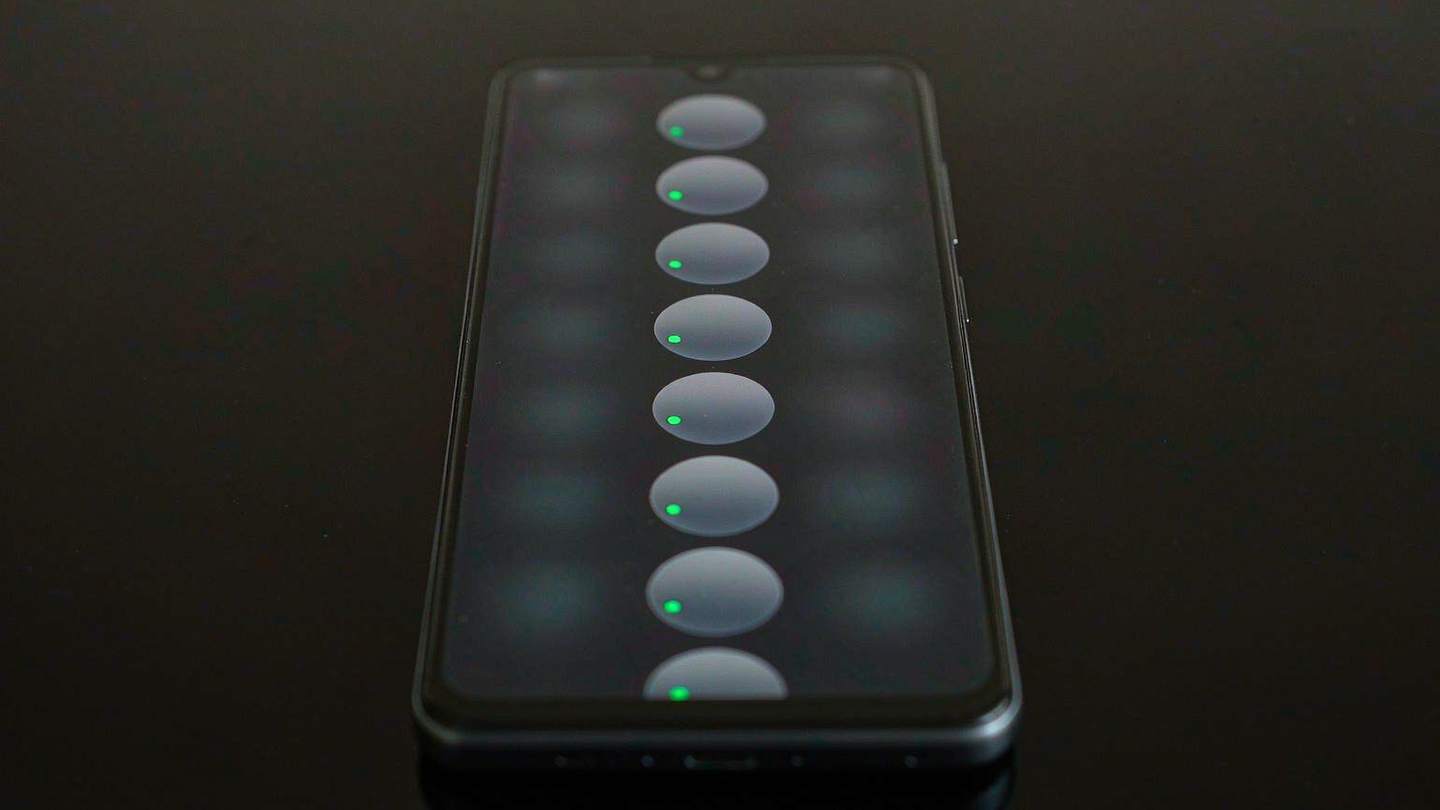
The pitch for OpenMausBot takes about one sentence: what if your chat app's contact list was a team, and every contact was a real agent?
Not a chatbot persona. An actual Claude or Codex instance running locally, with its own model, its own cloud computer, its own connected apps, and its own personality. You tap a name and it starts working. You watch it. You approve the parts that matter.
It has 17,773 stars, it is Apache 2.0, and it is one of the more interesting interface arguments I have seen this year — not because the agents are better, but because the container is different.
What the interface is actually claiming
Most agent products organize around a task: you open a session, you describe a job, you get a result, you close the session. The unit of work is the conversation.
OpenMausBot organizes around a person. The sidebar is a list of contacts. Each one persists between jobs, keeps its own memory of what it was doing, and has scopes you granted once. That is a small change to the UI and a large change to how you think about delegation.
When work is organized by session, restarting costs you context. When it is organized by contact, restarting costs you nothing — you message the same entity and it knows what it was in the middle of. That is how you would treat a colleague. It is not how any of us treat a chat window.
The approval layer follows from the same idea. The app's framing is "watch them work, approve what matters." That means the default is observation, not autonomy, and the interesting design surface is the approval prompt: what does it show you, how much context does it give, how fast can you say yes or no. Anyone who has run an agent with broad permissions knows that this prompt is the whole product. Get it wrong and you either rubber-stamp everything or turn the agent off.

Installing it
Released builds embed the harness server, so there is no separate backend to stand up. That is a meaningful decision — most agent apps make you run a daemon and then debug the connection.
macOS. Two DMGs, Apple silicon and Intel. Drag to Applications, open. Signed and notarized.
Windows x64. OpenMausBot-setup.exe, one click, per-user, no admin rights. The installer is not code-signed yet, so SmartScreen will show "unknown publisher", More info, then Run anyway. The README says this plainly, which I appreciate more than a badge.
Ubuntu 24.04. A .deb installed through APT, or an AppImage. Marked beta, GNOME is the supported desktop.
From source if you want to build it, and any desktop build can pair as a client to another Windows, macOS, or Ubuntu host over Tailscale — so a laptop can drive a machine that stays on.
There is also a feature that gets one line in the README and probably deserves more: installing a complete team from a single Markdown file. That is the difference between "here is an app" and "here is an app plus a staffing plan."
The naming is the strategy
The README is unusually upfront about positioning. OpenMausBot is an independent project inspired by Grok Bot, and positions itself as the open-source alternative to Meta Muse, OpenAI dots, and Cue by Manus. It was formerly called OpenGrokBot. It states clearly that it is not affiliated with xAI, Meta, OpenAI, or Manus, and that it has no token — any coin using the name is not theirs.
That last paragraph exists because of what happens to open-source projects that get popular in a certain corner of the internet. Including it is a sign the maintainer has already been through it once.
The local-first, bring-your-own-agent positioning is the real differentiator. You bring the Claude or Codex subscription you already pay for. The app supplies the container, the persistence, the computer, and the approval flow, and takes nothing from the model layer. That is a much more defensible position than competing on model quality, which no application can win.
What "local-first" buys you here
Two things, and neither is ideological.
The first is cost. If the agent runs on a subscription you already have, the app's marginal cost per task is close to zero. Products that resell model tokens have to price per message; products that ride your existing plan do not. That is why the interface can be a persistent contact list rather than a metered text box.
The second is continuity of permissions. Scopes are granted to a contact, not to a session, so you approve repository access once and it stays with that bot. In a session-based tool you re-approve every time, which trains you to approve without reading. Persistence, oddly, is what makes careful approval practical.
The trade is that security becomes your problem. There is no vendor sandbox boundary between the app and your machine, and the README's own note about bots having a virtual machine suggests the isolation is at least partly delegated to the model harness underneath. If you would not give a colleague SSH access, do not give it to a bot with a broad scope.
What to check before you commit a team
Where does the agent actually run? The README says each bot has "its own cloud computer." For a local-first app that phrasing deserves a careful read: which actions execute on your machine, which execute remotely, and what the remote one can see. This is the single question I would answer before letting a bot touch a repository.
What is in the approval prompt? Not whether approvals exist — they do — but what you see when one appears. A prompt that says "run command" is useless. A prompt that shows the command, the directory, and what changed is a decision aid.
Which model is behind each contact? Per-bot model selection is a feature, and it also means a cheap model quietly doing the expensive job. Audit the mapping before you trust the output.
And the ordinary hygiene items: the Windows installer is unsigned, so verify the download against the release page; nothing in the app requires a token, so anything asking for one is not this project.
Why this pattern is probably right
Every agent product is currently fighting the same problem: a session is a bad container for work that takes hours. You close the laptop, the context dies, and the next morning you spend twenty minutes re-explaining what you were doing. The industry's answer so far has been memory, vector stores, summaries, note files.
OpenMausBot's answer is simpler: make the agent an addressable entity instead of a stream. Memory then has somewhere to live, permissions have someone to belong to, and the UI stops being a text box.
It is a small idea with a lot of consequences, and it is the kind of thing that looks obvious in retrospect. The app itself is early, the Windows build is unsigned, and "cloud computer" needs a clearer definition before anyone should hand it credentials. But the shape is right, and shapes are the part that tends to survive.
If you try it, start with one bot that does one recurring job — reading a feed, triaging issues, watching a folder. Give it two weeks. The question you are answering is not whether the agent is smart. It is whether you like having a colleague who never forgets what it was doing.
Related articles
Kling's Technical Report Says the Bottleneck Is Not the Renderer
A video model team published an argument instead of an announcement, and the argument is that the renderer is the easy part.
The Three-Panel Film Strip Is the First AI Format With a House Style
Three frames, one person, cool tone, subtitle burned in. A generation trick turned into a distribution format.
Luma and Runway Moved the Model Into the Chat Box
Neither company shipped a better model this month. Both of them shipped a shorter path from question to render.
Disney Put an AI Lyric Video on Stage and a Lawsuit on File
Two things can be true at the same time, and the distinction the studio is drawing is about who authorized the training data.