
OpenAI Finally Put Transparent Backgrounds in the Image API
Generating an image and getting a usable asset are two different jobs. The gap between them is often a cutout, and OpenAI has now closed part of that gap by adding transparent background generation to its image API in preview.
The feature lets developers request an image with an alpha channel, so the subject arrives already separated from the background. In practice that means a product shot, a character, or an icon comes back ready to drop onto a web page, a slide, or a marketing layout without a separate segmentation pass.
Why anyone cares
For most of the last two years, the workflow looked like this. You asked a model for a product on a clean background. It gave you a very nice image of that product sitting on a white surface, with a soft shadow and a bit of reflected light. Then you spent the next step, and often a different tool, removing that background.
That second step is where quality leaks. Edge detection struggles with hair, fur, glass, and anything semi-transparent. A generated image with a white backdrop and a soft shadow is exactly the kind of input that defeats a matting model, because the model has to guess where the object ends and the background begins. Native transparency removes the guess.
For teams running at volume, the difference reaches past visual quality. Every image that needs a matting pass adds compute, latency, and a failure mode. Removing that step makes the whole pipeline cheaper and more predictable.
What it changes in practice
The obvious beneficiaries are e-commerce and design. A retailer that needs a catalogue of products on its own branded backgrounds can now generate assets that slot in without manual work. A design team building a website mockup can generate a hero image that already floats over the layout instead of being pasted as a rectangle.
There is a subtler use case too. Transparent generation makes compositing tractable. Instead of describing an entire scene to one model, you can generate the subject once, generate the background separately, and combine them. That gives more control over each half, and it makes edits cheaper because changing the backdrop does not require regenerating the subject.
The comparison that matters
OpenAI is not first to this. Alibaba's Qwen-Image 2.1 shipped with native RGBA support, and the ability to both generate and edit transparent layers. Several open-weight models have moved in the same direction, and for a while the argument for local deployment rested partly on features like this.
What OpenAI brings is reach. The image API sits inside the same account, billing and tooling that a large number of developers already use. When a capability lands there, it becomes the default for teams that would rather not add another vendor. So the significance is less about novelty and more about where the feature now exists by default.
There is also a licensing difference worth noting. Qwen-Image 2.1's current licence restricts commercial use without a separate agreement. OpenAI's API is commercially usable out of the box. For a company weighing the two, that shifts the maths.
Where it will still fall short
Native transparency is not a complete fix. Alpha channels are hard, and generated edges can still be imperfect, especially around fine detail. Some models produce a clean alpha for a hard-edged object and a muddy one for a wispy one. Buyers should test on their own worst-case subjects rather than the demo set.
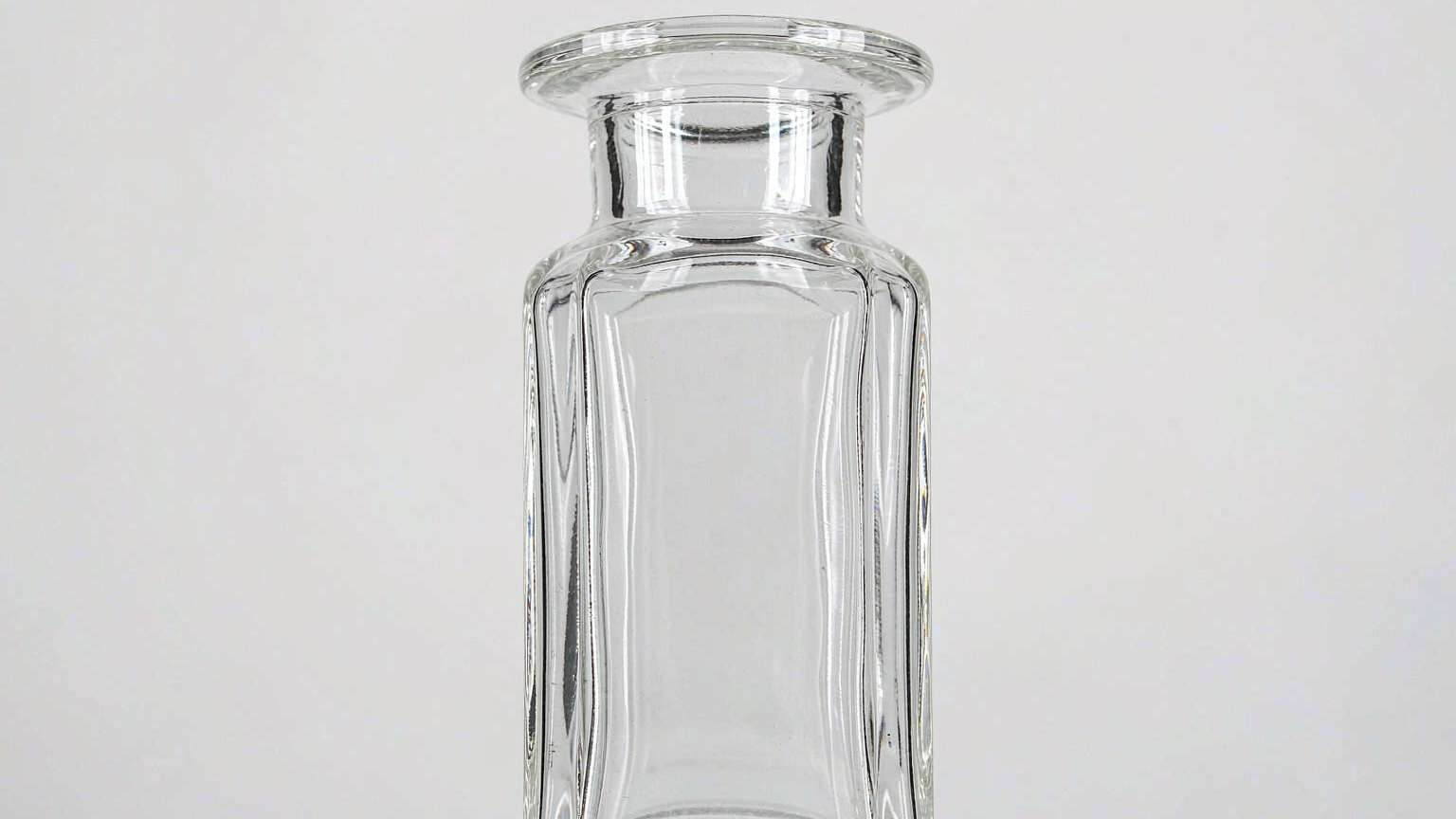
It is also worth watching whether the feature handles transparent or reflective materials well. A glass bottle or a chrome surface needs the model to understand that what is behind the object should show through it. That is a much harder problem than cutting out a solid shape, and it is where the quality difference between vendors will show up.
Where it sits in the wider image market
The image generation field has been consolidating around a few axes this year: control, editing fidelity, and now asset readiness. Transparent output is an asset-readiness feature, which is a different kind of improvement from a jump in visual quality. It does not make a prettier picture. It makes an existing picture easier to use.
That shift is visible in the wider market. Editing features like region-specific changes, background removal and multi-reference generation have been arriving across vendors, because the customers still paying are the ones putting generated images into production. A tool that produces a beautiful image that cannot be dropped into a layout is less valuable than a slightly plainer image that can.
OpenAI's move fits that demand. The image API is used by teams building catalogues, ads and product pages, and transparent output is one of the most requested features for exactly those workflows. Shipping it in preview lets the company test the quality bar before making it a headline capability.
What to watch
The preview label matters. Features in preview can change, and pricing and rate limits may follow a different curve once the feature is generally available. Teams planning to build a pipeline around transparent generation should check whether the behaviour is stable across runs before committing.
It is also worth testing how the model handles a request that is mostly background. A subject that fills the frame is easy. A small object against a busy scene, where the model has to decide what counts as the subject, is where the output will vary. Buyers who generate at volume should build a small set of their own worst cases and run them through the feature before it becomes load-bearing in a workflow.
Why latency matters here
Removing a matting step also cuts a second pass that carries its own failure modes and its own waiting time. For an interactive product where a user is watching an image appear, that extra step is visible. Folding transparency into generation removes a pause the user used to sit through.
At scale the effect compounds. A team generating tens of thousands of assets a month saves the compute of the second pass, the engineering of running the second service, and the support cost of the images the second pass got wrong.
The longer-term question
The longer-term question is whether transparency becomes a default or stays a flag. If every image request can ask for an alpha channel, and the model handles it well, then the separate matting step drops out of a lot of workflows. That is a small feature with a wide footprint, which is usually how infrastructure improvements arrive.
It also puts pressure on the open-weight models that made native transparency a selling point. Their advantage was partly that they could do something the hosted APIs could not. As the hosted APIs catch up, the case for self-hosting has to rest on cost and control rather than on a feature list, which is a harder argument to make at scale.
Related articles
Step 5 Skipped Four Version Numbers, Landed Second Among Open Models, and Nobody Is Calling It
Benchmark position is a signal producers use to judge a model. Call volume is a signal consumers produce by using it.
Gemini Omni 1.1 Flash Chained Four Requests Into a 40-Second Shot. The Workflow Is the Product.
Google shipped a production pipeline with a review gate built into the pricing.
Microsoft Cut Partial-Transcript Latency to 100 Milliseconds. That Changes What Transcription Is For.
Below 100 milliseconds, a transcription product can respond while someone is still talking.
Synthesia Spent a Decade Recording Avatars. Now It Wants Them to Talk Back.
A training tool people voluntarily repeat is a different product from one they complete because someone assigned it.