
One Photo, One Slow-Mo Walk: How Douyin's Boss-Entrance Trend Was Built by a Template
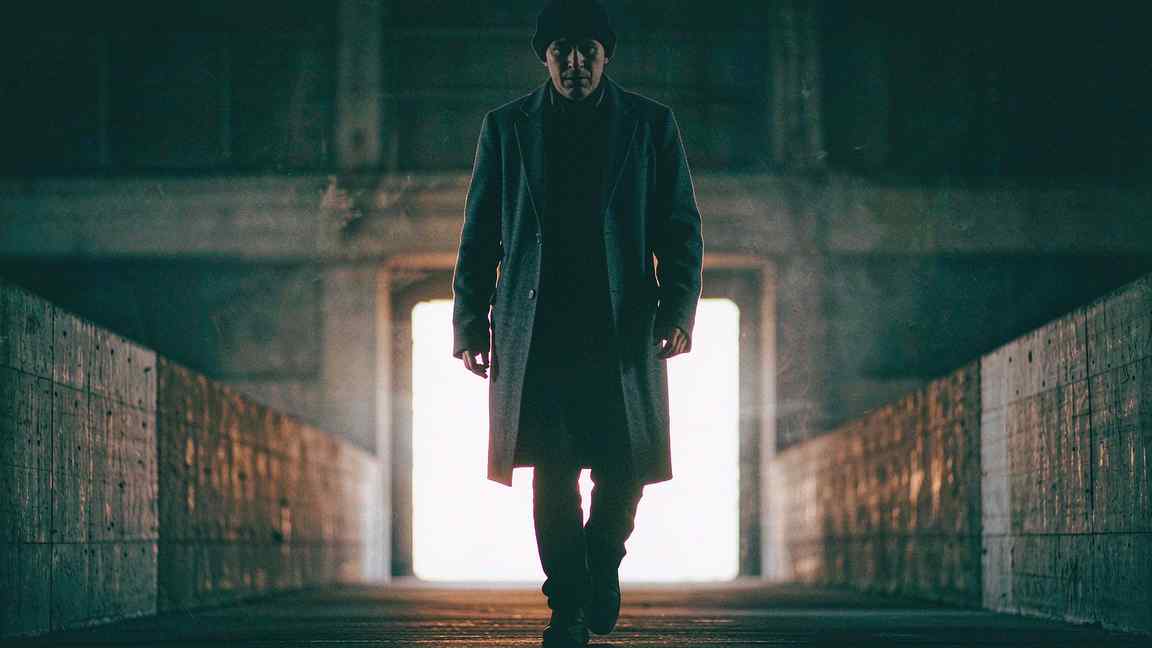
On the morning of November 3, a creator who goes by Roy posted a clip on Douyin that ran about fifteen seconds. A sturdy woman in a dark suit steps out of backlight, the camera low, slow motion, a drum hit landing on every step, the subtitle reading "Boss Aura." By November 4 the clip had 10,500 likes and 285 comments, and the question in most of them was: how was this shot?
The answer is that it wasn't. The photo was supplied. The walk was generated.
This was the fastest-moving template on the Chinese internet in the first week of November, filed under the hashtag #WalkingWithSwagger (走路带风的高燃出场挑战), roughly "high-energy entrance challenge." It started building on November 2, broke out across the platform on November 3 and reached the trending chart on November 4. The whole premise fits in one sentence: hand a photo, or a bit of casually shot walking footage, to an AI, and get back a boss entrance scored to heavy bass.
One hashtag, three ways in
The first is the most honest: shoot it yourself. A street corner, backlight, slow motion, hands in pockets or a coat tail catching the wind. From November 2 people were posting real footage under the tag, captioned "you can't lose on presence, you have to walk like the wind."
The second is the least effort, and it is what actually drove this round: a template inside Jianying, the Chinese edition of CapCut, called "AI Boss Aura." Upload one photo and it renders the clip in a tap. Tutorial accounts put the pitch straight in the caption: "the same effect as the Godfather handshake, or Biao-ge's famous handshake scene." You drop in a front-facing portrait and it returns a side-on approach, the camera pulling back, a final freeze.
The third takes the most fiddling and gives the most freedom: work on the canvas in a tool like Jimeng, ByteDance's image and video generator, prompt a walking segment out of a photo, then add your own music and cut to the beat. Some tutorial accounts simply recreate a classic entrance from a Hong Kong film, turning the famous shot into material for a "shoot your own version" post. The 10,500-like "female boss" took this route.
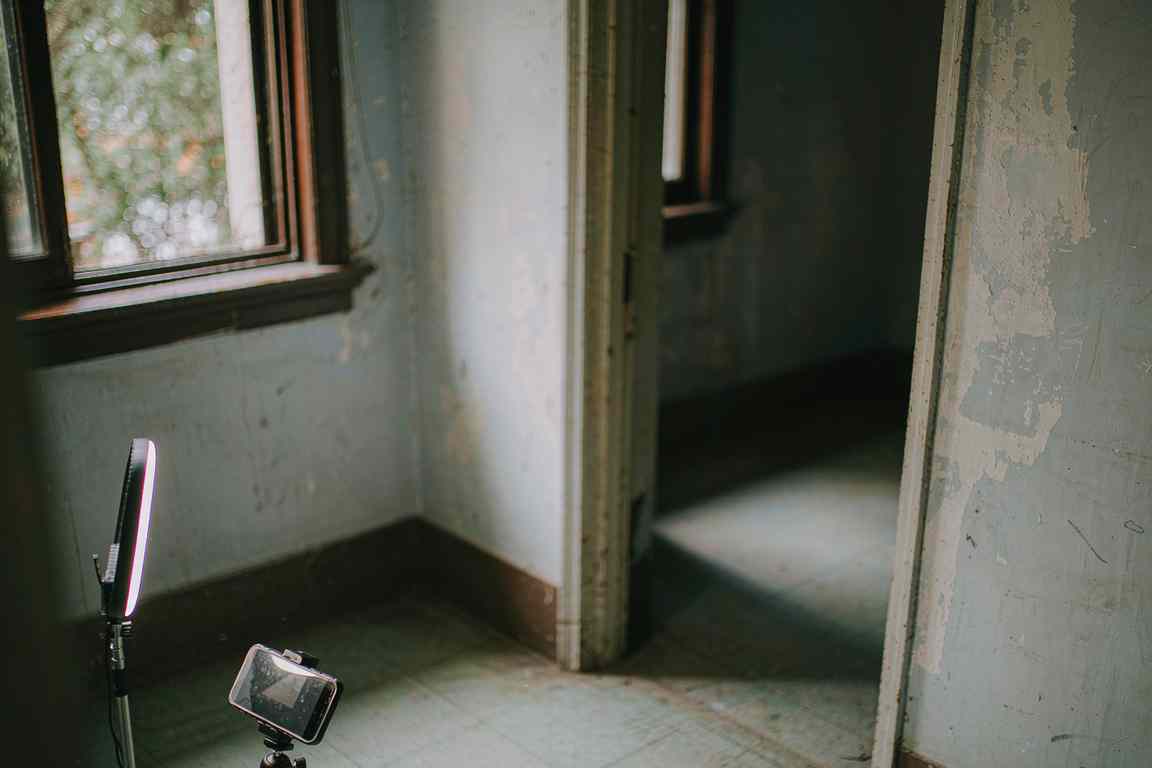
The three routes cost wildly different amounts, yet what lands in the feed looks nearly the same. That is the point of the story: viewers cannot tell which clip is real footage, which is a template and which is pure generation, and the creators do not feel any need to tell them.
More shares than likes is a different kind of signal
Scrolling the hashtag, I kept hitting an odd ratio. Nearly half the posts were tutorials and the other half were finished pieces, and the two kinds had completely different engagement curves. One AI effects tutorial had 5 likes and 90 shares. Another, tagged "original" and "tutorial," had zero likes and more than thirty shares.
A like says the clip looks good. A share says I want to use that. When shares run far ahead of likes, it usually doesn't mean the work is good. It means the work has been filed as a tool. Content like this also travels differently inside the platform. It doesn't depend on the recommendation feed serving it to you again and again. It depends on people forwarding it one at a time to a friend who says, I want to shoot that too.
It has happened before. In August, a MiniMax H3 clip called "high-energy entrances of guys from different regions" drew more than 4,900 likes and more than 5,200 shares, shares again ahead of likes. The read at the time was "tool-type meme," and looking back it holds up: what spread was not the video. It was the video's production method.
The look was laid down in advance. AI only supplied the last step
Watch only these three days and it looks as if a template suddenly set a hashtag on fire. Look two months either side and the ground was already prepared.
On September 19, a "badass entrance compilation" on Douyin took 26,000 likes on the day it went up. On Xiaohongshu, the platform known abroad as RedNote, an original track called "walking-with-the-wind entrance BGM" had 9,441 likes and 1,566 saves by early November: a piece of music written specifically for walking. On Bilibili, in the editing community, a single tutorial for a "side walking" camera move passed 1.34 million plays.
Music, camera moves, editing grammar, mood templates: all in place. Only one thing was missing, and that was letting an ordinary person be the lead.
Shooting this kind of clip used to require a friend to hold the camera, a place where you could walk, and the willingness to accept that you didn't look like much on screen. All three obstacles are now bypassed. You need one photo in which you look like you're doing well. What the template does is not "generate a video." It downgrades shooting to picking a photo.
That is also why half of this challenge is self-mockery. One person posts a video joking that "you can't get this effect if your face isn't mean enough." Another cuts the AI swagger against his own timid real-life walk, the joke being "looks like a king, plays like bronze." Everyone knows it's fake. The laugh is in knowing.
Before you shoot your own version, three things to sort out
First, the entry point moves. Jianying templates, the Jimeng canvas, the image-to-video features in every AI video tool: what is live shifts with each release, and the menu path in a tutorial may have relocated two weeks later. If you are actually going to make one, go by the tool as it stands now, not by a month-old tutorial's hunt for a button.
Second, tick the disclosure. On Douyin this kind of content has to be marked "content generated by AI," and marked honestly at upload. This is not box-ticking. Pass an AI clip off as real footage and once someone spots it, what you lose is the account's credibility, not the reach of one video.
Third, do not cross the likeness line. The photo you upload should be your own, or one you have clear permission to use. Generate a boss entrance with someone else's face and the further it travels, the bigger the trouble.
As for how long this wind keeps blowing, my guess is not long. Template memes usually live in weeks, because a low barrier means supply overshoots almost immediately, and audiences tire faster than the algorithm does. What it leaves behind will stay, though: a large number of people have discovered, for the first time, that on camera they don't have to look the way they look now.
The next time a template takes off, more people will join in than this time. What they learned here was not how to shoot a video. It was how to turn a photo into an entrance.
Related articles
The Jensen Discount: What Nvidia Loses When Its Founder Walks Out
Nvidia lost roughly $600 billion in market value when its founder stepped down. The earnings did not change. The multiple did, and that says where the value really lived.
Chinese text in video always turns to mush. Dreamina handed the typesetting to code
Dreamina launched Motion Studio on November 10. It no longer generates frames; the model writes code that lays out text, shapes and pacing. Chinese titles stop blurring, but whether the content is right is still on you.
A community spreadsheet of taps that turns off the ads inside Chinese Android builds
A no-root tool that switches off the ads Chinese phone makers ship inside the system UI. Its method is a hand-written tap script per phone model, maintained by volunteers every time a ROM moves. It works, and the maintenance is the point.
GPT Image 2.6 held the token price and raised the bill
GPT Image 2.6 kept every token rate from 2.5 and still costs more per image, because more of the work now happens in output tokens. Eleven days into the ramp, the pricing structure says more than the leaderboard does.