
Krea 3 Edits 2K Images in Under Eight Seconds. That's the Feature.
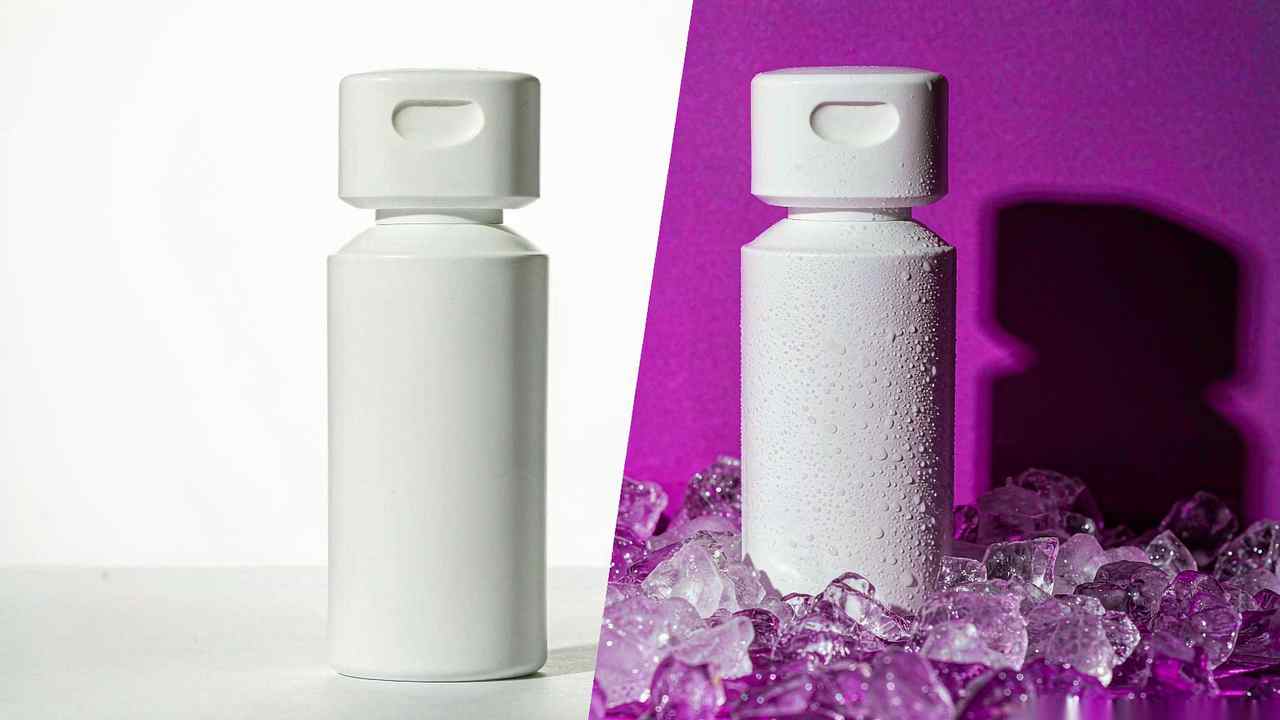
Krea put a number on image editing this month and the number is eight seconds. Most Krea 3 edits come back in under eight seconds, end to end, at native 2K. The fastest configuration finishes in about four to five. Krea is careful to say it isn't real time yet, which is the kind of caveat that makes the rest of the claim easier to trust.
The model launched October 15. The Ultra tier, which is the one that grabbed headlines on October 21, is a different animal: it reviews several candidate outputs, is always 2K, can take several minutes, and requires a Max plan. So there are two products here wearing one name, and the interesting one for most teams is the fast one.
Why latency is the feature and not a spec
Editing tools have been good enough to be useful for about eighteen months. What they haven't been is fast enough to think with. A ninety-second wait is long enough that you stop generating variations and start defending the one you have.
Krea ran its own comparison between September 24 and October 1, with queue time included and no reference images: Krea 3 at 2K came in under eight seconds at $0.06 an image, Nano Banana Pro at 33 seconds and $0.135, GPT Image 2 at 90 seconds and $0.22. Those are vendor numbers from a vendor-designed test, so the ranking is more reliable than the exact multiplier.
Victor Perez, Krea's co-founder and CEO, framed the bet plainly: editing models are already used across e-commerce, film and advertising, but most of their potential is held back by speed. That's a marketing sentence, and it also happens to describe how anyone who has iterated on a product shot actually feels.
There's a second-order effect that doesn't show up in benchmarks. When an edit takes eight seconds, you change one thing at a time. When it takes ninety, you change four things at once to save a round trip, and then you can't tell which change broke the frame. Slow tools don't just cost time, they cost diagnosis.
Regional edits across turns is the actual hard part
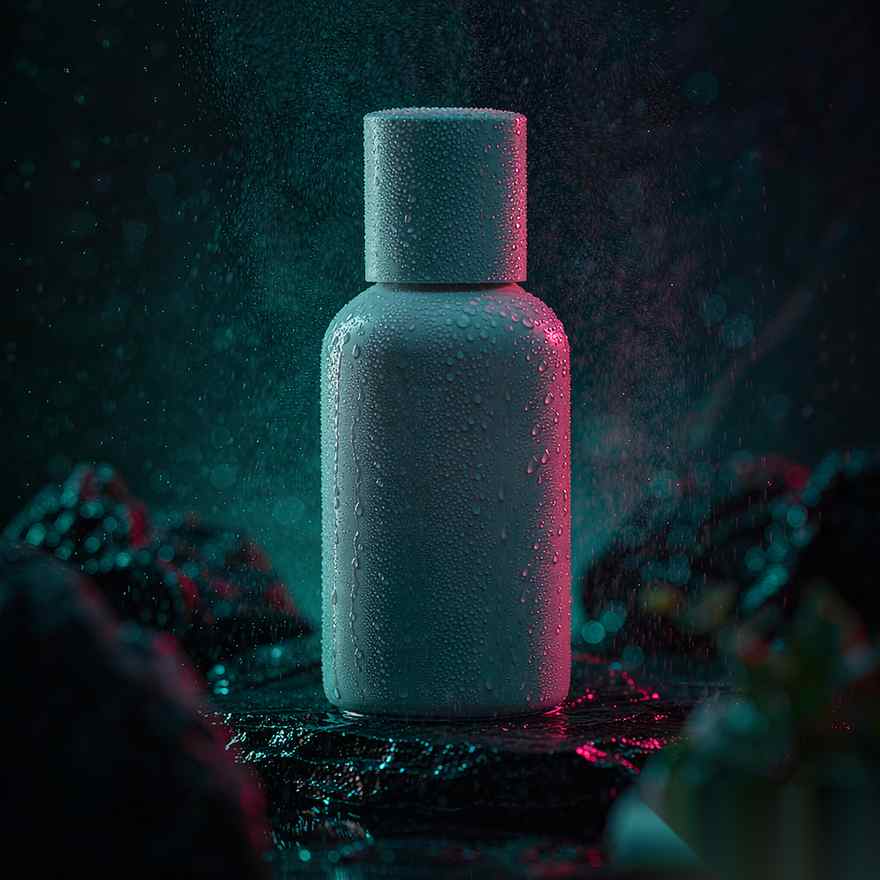
Krea 3 keeps the product intact and rebuilds the scene around it. The pitch is that a packshot on white becomes a campaign photo without the label, the lettering, or the logo drifting. It accepts bounding boxes so you can say where a new element lands, and it supports multi-turn editing so a single image can be refined across several instructions instead of regenerated from scratch.
Anyone who has tried this knows the failure mode. You ask for one change, get it, ask for a second, and discover the first one quietly reverted. Multi-turn editing only counts as editing if turn three remembers turn one. Krea's claim is that it does, and the reference budget matters here: six to eight reference images per edit is enough to pin a product from several angles rather than one.
The benchmark picture is consistent without being a landslide. On Alibaba's CPI-Bench, which tests real-world editing tasks, Krea 3 Ultra reportedly scored 4.81 out of 5, second behind OpenAI's GPT Image 2.5 and ahead of GPT Image 2, Seedream 5 Pro, and Nano Banana Pro. On Arena's Multi-Image Edit board the Ultra tier sat at fourth with 1435, against Gemini 3 Pro Image Preview at ninth with 1365. On Artificial Analysis as of October 20, Ultra was fifth at 1151 and the Fast tier eleventh at 1125, both above Nano Banana Pro at 1106.
Second or fourth place at a fraction of the price is a coherent position. It is not the same as first place, and Krea's own comparison page is unusually willing to say where it loses.
LoRA is the part that changes the job
Krea calls Krea 3 the first editing model you can train on a specific product, person, or character with LoRA fine-tuning. A LoRA is a small adapter layered onto the base model rather than a full retrain, which is why it's cheap enough to be a feature rather than a consulting engagement.
If that holds up in production, it moves consistency from a prompt problem to a configuration problem. Today, keeping the same sneaker across forty images means writing an increasingly paranoid paragraph about stitching and sole shape, and still getting a lookalike on image seventeen. Training a LoRA on that sneaker means the model has seen it, and the prompt goes back to describing the scene instead of defending the object.
That's a bigger change than the price cut. Price cuts get matched within a quarter. A workflow where the brand asset is a trained adapter is stickier, because the adapter lives in your account and the next model you try doesn't have it.
The honest caveat: Krea's own launch post didn't mention fine-tuning, and features announced in press coverage sometimes ship in stages. Check the current documentation before planning a pipeline around it, and test on your own product rather than a demo can.
What Nano Banana Pro still wins
Google's model keeps four things Krea doesn't claim: 4K output, Search grounding, long text inside the image, and a separate pool of character images. If your job is a poster with a paragraph of copy, or an infographic with legible numbers, none of Krea's speed advantage matters, because you'll be fixing the text anyway.
The split is fairly clean. Krea 3 is for product scene changes, object removal, and photo cleanup, at volume, where the same asset gets restaged dozens of times. Nano Banana Pro is for layouts where the image has to carry text and factual context. Picking one and complaining about the other is how teams end up with both subscriptions and no pipeline.
Distribution is doing quiet work
Krea 3 is available on krea.ai and the Krea API, and also through fal, Hedra, Together AI, Nous Research, OpenRouter, Replicate, and Baseten. That spread matters more than it looks. A model that only exists inside its own interface competes on interface. A model that appears as an endpoint inside six other tools competes on being the default model someone's workflow already calls.
Krea itself is a San Francisco company co-founded by Victor Perez and Diego Rodriguez, with $83 million raised and a valuation around $500 million after a $47 million Series B led by Bain Capital Ventures. It claims 35 million users. Against OpenAI and Google that's a small war chest, and a second-place finish on a public benchmark is a real upset rather than a foregone one.
The question to ask before switching
Eight seconds is not a moat. Someone will ship five seconds, then two. What's worth evaluating now is whether the editing model can hold an asset steady across twenty turns, and whether you can train it on the thing you sell. Those two properties decide whether a team of three can run a campaign that used to need a studio, and neither of them is a number on a pricing page.
Try it on your worst product shot first. The one with the reflective label, the odd angle, and the logo that always comes out spelled wrong. If it survives that in under eight seconds, the decision makes itself.
Related articles
The Video Leaderboard's Number One Is a Talking Head
HeyGen Video leads at 64,000 weekly requests, ahead of Veo and Wan. Chinese labs hold about 54.8% of routed video traffic while Runway sits at 0.3%. What request volume measures.
VideoGen Promises Ten-Minute Videos From One Prompt. Nobody Benchmarked It.
Ten minutes is assembled from many shots, not rendered in one pass. The product is the planning harness, and the cost and quality claims are still waiting on third-party validation.
NVIDIA's OpenShell Enforces Agent Policy in the Kernel
Kernel level checks on every file, syscall and connection, plus formal verification of policy changes before they apply. The install is one line. The operational bill is the rest of the page.
FLUX 3 Max Renders 10 Seconds of Video in 11. The Benchmark Has an Asterisk.
Fal post-trained FLUX 3 for speed and got a 1139 Elo claim out of it. The vote count is preliminary, the confidence interval overlaps the leader, and the 75% discount runs three weeks.