
Grok Imagine Image 2.0 Is xAI's Argument That Editing Is the Real Job
xAI shipped Imagine Image 2.0 on August 8, 2026, and the positioning tells you a lot about where the company thinks the market has moved. The pitch is not "look at these beautiful images." It is "make images you can use in real work."
That framing is the interesting part. After two years of everyone chasing the prettiest output, xAI bet its second image model on the boring, unglamorous truth that a first generation is rarely the final asset. Real creative work is iterative. So the model was built around editing from the start.
Editing as a first-class feature
The four editing tools in Image 2.0 are the whole story.
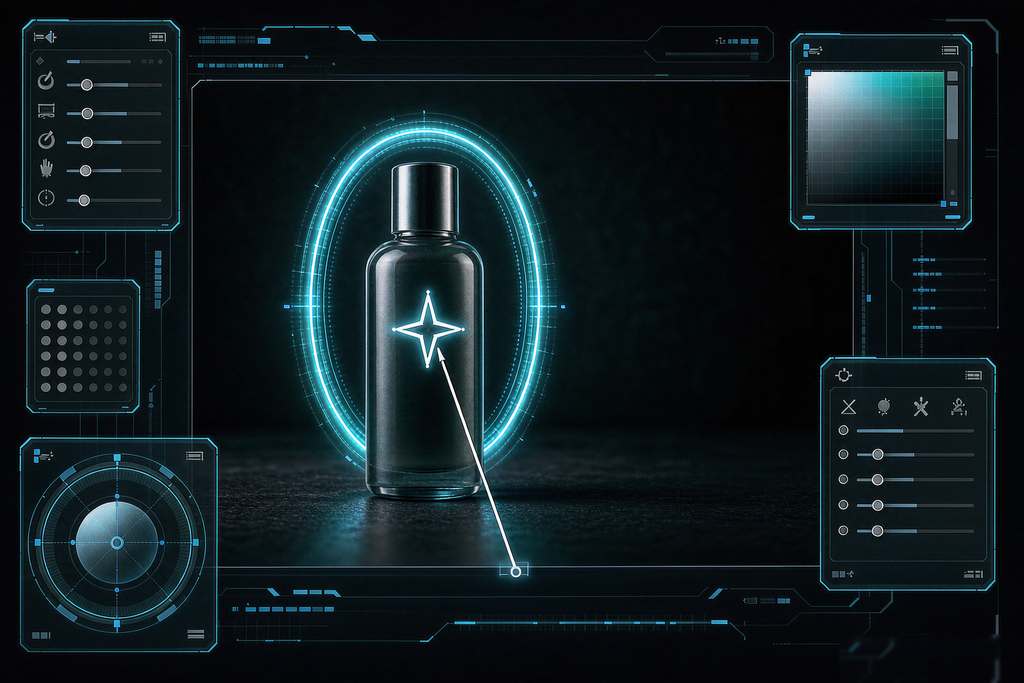
The magic wand edits only the region you point at and leaves everything else untouched. That is the feature people have wanted since the first time a model regenerated a whole picture just to fix one corner.
Segmentation selects a precise area so you can recolor, replace, or retouch a single object. Background removal exports any subject on a transparent background, ready to drop into another file.
Then there is multi-reference editing, which accepts up to five input images in a single generation. If you have a product shot, a brand style reference, and a model photo, you can fuse them without manually compositing first. That removes a step that used to require Photoshop.
Smart resize rounds out the set. Pick a ratio, any of nine from 1:2 up to 2:1, and the model fills the frame instead of cropping it. An image made for a square feed can become a banner or a vertical story without a re-roll.

Templates are the quiet signal
Beyond the raw tools, xAI shipped a set of templates that package common workflows into ready-made starting points. Product shots, professional headshots, e-commerce photos, game icons, mascots, and marketing posters each have a template with the workflow already configured.
Templates sound like a consumer convenience, but they are really a distribution strategy. A small business owner does not know what "segmentation" means and does not want to learn. They want a headshot for their website or a clean product photo for a listing. Templates hand them a button that does exactly that.
This is the same play Google is running with Pics and Adobe has run for years with Firefly. The market is splitting into two layers: a top layer of raw model quality, and a lower layer of packaged jobs. Image 2.0 competes on both.
Where it ranks, and why that matters
The numbers put Image 2.0 second in the world on both the text-to-image and image editing arenas as of early August, behind only OpenAI's GPT Image 2. That is a genuine result, not marketing. The arenas are blind human votes, which is about as honest a benchmark as this field has.
But the ranking undersells the strategic point. xAI is not an art lab trying to beat Midjourney at mood and texture. It is a company with a distribution channel, the X platform and the Grok app, and a model designed for the people who use that channel. A lot of them are small businesses, creators, and marketers who need usable assets more than they need gallery pieces.
The "One World" feature makes this concrete. You generate a character, her locations, and the props she carries as separate images, and the model holds one consistent style across all of them. That is a workflow for people building a brand or a recurring character, not for someone making a single pretty picture.
Who should reach for it first
The honest version of "who is this for" splits by what you actually need to produce.
If your deliverable is a single gallery-grade image, Midjourney still wins that fight, and no amount of editing tools changes it. If you need one clean product shot, one consistent character, or a set of marketing assets that have to match, Image 2.0 earns its place fast.
The people who will get the most out of it are the ones doing volume creative work: e-commerce sellers refreshing listings, social media managers keeping a feed fed, small studios making character-driven content. For them, the magic wand and background removal are not conveniences. They are the difference between shipping today and shipping next week.
The templates point the same way. A template for a professional headshot or an e-commerce photo is not aimed at a designer who already knows how to do it. It is aimed at the founder, the store owner, or the freelancer who does not have the budget for a designer and does not want to learn one. That is a much bigger audience, and it is the audience xAI can reach through its existing apps in a way a standalone art tool cannot.
The deeper point is that Image 2.0 is not really competing on raw beauty at all. It is competing on utility. "Can you fix this one thing without redoing the whole picture" is a question Midjourney has historically answered with "re-roll it," and it is the question xAI built an entire product around. For the audience that just needs a usable asset today, that answer is worth more than a prettier default style.
The API matters more than the app
Image 2.0 is also available in the API as grok-imagine-image-2.0, and that is where the long game is. A model that only lives in a consumer app is a toy. A model with an API becomes infrastructure, something other products can build on.
The API matters because it lets developers put region editing, background removal, and multi-reference fusion inside their own products. Every feature xAI built for consumers doubles as a building block for developers, and that is how a challenger turns a strong release into a platform.
The honest read is that Image 2.0 does not dethrone anyone. GPT Image 2 still leads the boards, and Midjourney still owns aesthetic range. What xAI did is make a credible argument that the next phase of this market is about editing and iteration, not raw generation. And it backed that argument with a model that ranks second in the world. That is a stronger position than most of the field has managed.
Related articles
Meta's Muse Image Costs About a Cent a Picture, Aimed at Advertisers
About a cent per image, aimed at advertisers: what Meta Muse's pricing means for ad creative and the two-lane image market.
DALL-E Is Gone. Here's Why the Name That Started AI Art Faded Out
OpenAI retired the DALL-E GPT on August 30, 2026. What changed, why now, and what the name meant for AI art.
Google Pics Puts Nano Banana Inside Docs and Slides, and Canva Should Watch
Object isolation, in-image text translation and Workspace integration: what Google Pics means for Canva and Adobe Express.
ChatGPT Images 2.5 Is Faster, Sharper, and Finally Lets You Sketch
Images 2.5 cuts latency up to 50%, adds Sketch, and stabilizes multi-turn edits. What changed and who should care.