
Grandparents Are Making AI Images of Their Grandkids. The Parents Are Not Happy.
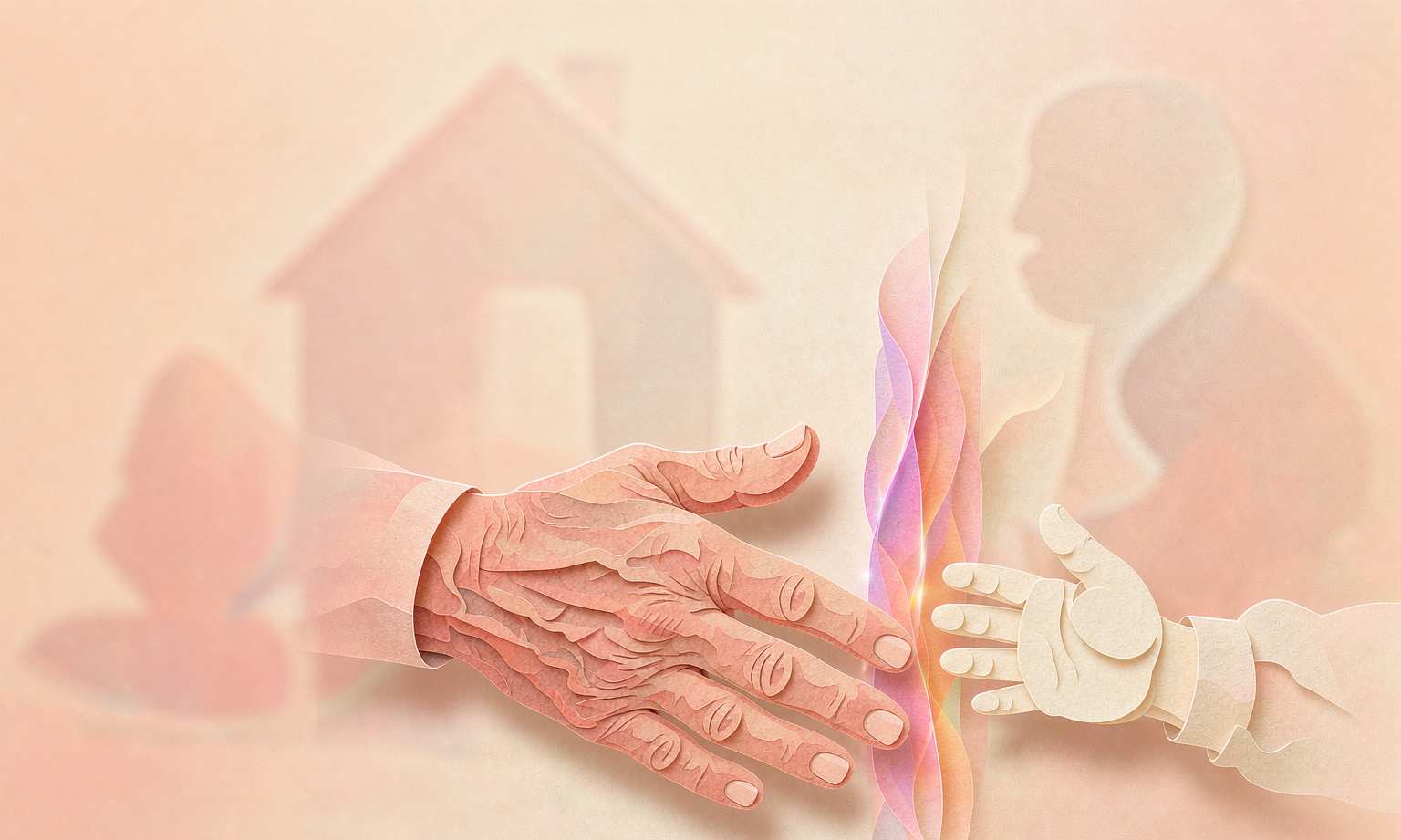
The latest AI image generation story to break out of the tech bubble is not about benchmarks. It is about grandparents, grandchildren, and a fight over consent. A Business Insider piece this month surfaced a pattern that has apparently become common enough to have a name: boomers love turning photos of their grandkids into AI images, and a lot of millennial parents hate it. The story pulled steady attention on Hacker News, not because it is technically novel, but because it names a conflict a lot of families are quietly having.
What is actually happening
The workflow is simple. A grandparent takes a photo of a grandchild, feeds it to an image generator, and gets back a stylized version, a portrait in a storybook setting, or a birthday card illustration. The tool makes it easy, and the result looks charming. From the grandparent's side, it is an act of love, a way to make something personal without any technical skill.
From the parent's side, it is a privacy problem. The photo leaves the family's control the moment it is uploaded to a cloud service. A child's face is now sitting in a training pipeline or at least on a third-party server, and the parent never agreed to any of it. The image that comes back is cute. The data that went out is the issue, and the two things are hard to separate in a family argument.
The tension is real and generational
Neither side is entirely wrong. The grandparent sees a photo they already had, used to make a sweet gift. The parent sees a company they did not consent to, holding a biometric of a minor. The two are talking past each other because they are worried about different things: one about the memory, the other about the terms of service.
This is a new version of a very old fight. Parents and grandparents have always disagreed about what is safe to share, from the family photo album to the Facebook wall. AI just raises the stakes, because the image does not just get stored, it gets transformed, and the transformation is what makes it feel like the grandparent "used" the child rather than just showed a picture. A shared photo feels passive. A generated portrait feels like an active act, and that distinction matters more than it should.
What the experts and commenters are circling
The practical advice in the threads is straightforward and mostly unhelpful: ask first, use on-device tools when possible, and assume anything uploaded can end up anywhere. Those are correct and also not how families actually work. Nobody asks permission to make a birthday card, and the idea that they should is part of what makes the parents sound unreasonable even when their concern is valid.
The deeper question is harder. We do not yet have shared norms for what counts as consent when a child is too young to give it, and the tools are spreading faster than the etiquette. The grandparent does not think of themselves as doing anything wrong, because until very recently, they would not have been. The parent feels violated, because the rules changed underneath a practice that used to be harmless.
Why this story resonated
The story works because it is not really about AI. It is about who gets to decide what happens to a child's image, and how technology that feels effortless in the moment can carry costs you only notice later. That is a tension no benchmark will ever measure, and it lands with everyone who has both an aging parent and a young child, which is a lot of people.
It is also a story about the speed of normalization. The grandparents did not seek out a new technology. It arrived in the tools they already use, offered as a fun filter, and they adopted it without a second thought. That is how most privacy erosion happens, not through malice but through convenience. The parent is left explaining a risk that sounds paranoid, and the grandparent is left defending a kindness that sounds sweet. Neither is fully wrong, which is exactly what makes it hard.
The tools made it too easy to resist
One underappreciated driver of this conflict is how frictionless the tools have become. A few years ago, turning a photo into a stylized portrait required some skill, and that skill acted as a kind of gate. Most grandparents would never have bothered. Now the feature is a button in the camera app or a one-line prompt in a chatbot, and there is no gate at all.
When the effort cost drops to zero, adoption happens faster than the conversation about it can. That is the recurring pattern with every consumer AI feature, and it is why the privacy norms always lag. The grandparents are not making a considered choice to compromise their grandchild's privacy. They are pressing a fun button and enjoying the result. The consideration never enters the loop, because the tool did not invite it.
That is the part that frustrates the parents most, and it is worth naming. The objection is not really to the image. It is to the absence of a moment of hesitation, the sense that a decision with real stakes got made by default. The fix is not to blame the grandparents, who are behaving exactly as the tools encouraged them to. It is to build the hesitation into the tool, or to have the conversation before the button gets pressed. Neither is happening fast enough.
What would actually resolve it
The conflict is not going to be solved by either side winning the argument, because the argument is about different things. The grandparents are arguing about love and the parents are arguing about consent, and those are not competing claims. They are two conversations happening in parallel, each convinced it is the one that matters.
The real resolution is a set of shared defaults, and those take time to form. The most promising direction is on-device generation, where the photo never leaves the family's control at all. Some image tools are starting to run locally on phones, and when that becomes the norm, the core objection disappears. The grandparent gets the charming portrait, and the parent gets to know the photo never went anywhere.
Until then, the practical advice is the unglamorous kind: have the conversation before the button gets pressed, and default to asking. It will feel awkward, because asking permission to make a birthday card is awkward. But awkward is better than a breach of trust, and the awkwardness fades faster than the resentment. The families that talk about it once, early, are the ones that avoid the fight entirely.
The bigger lesson
Every generation adopts a new tool and frets about it. The AI-image-of-grandkids story is just the current version of that, with a twist: for the first time, the cute thing and the concerning thing are produced by the same button press. The image is lovely. The trail it leaves is not. Reconciling those two facts is going to take longer than the tools did to arrive, and in the meantime, a lot of family group chats are going to have an awkward conversation.
Related articles
Grandparents Are Making AI Images of Their Grandkids. The Parents Are Not Happy.
The cutest AI image of the year is also a privacy dispute. Grandparents press the button, parents read the terms of service.
AI Slop Has Become the Thing It Was Mocking
The label was supposed to name low-effort output. Now it dismisses everything, which makes it exactly what it was complaining about.
AI Slop Has Become the Thing It Was Mocking
The label was supposed to name low-effort output. Now it dismisses everything, which makes it exactly what it was complaining about.
Your AI Video Hit 500K Views and the Comments Turned Ugly: A Field Guide to the New Creator Backlash
A field guide to the new AI creator backlash, covering creators, families, and businesses and the disclosure moment.