
ChatGPT Now Dresses You: Image Models Move Into the Shopping Cart
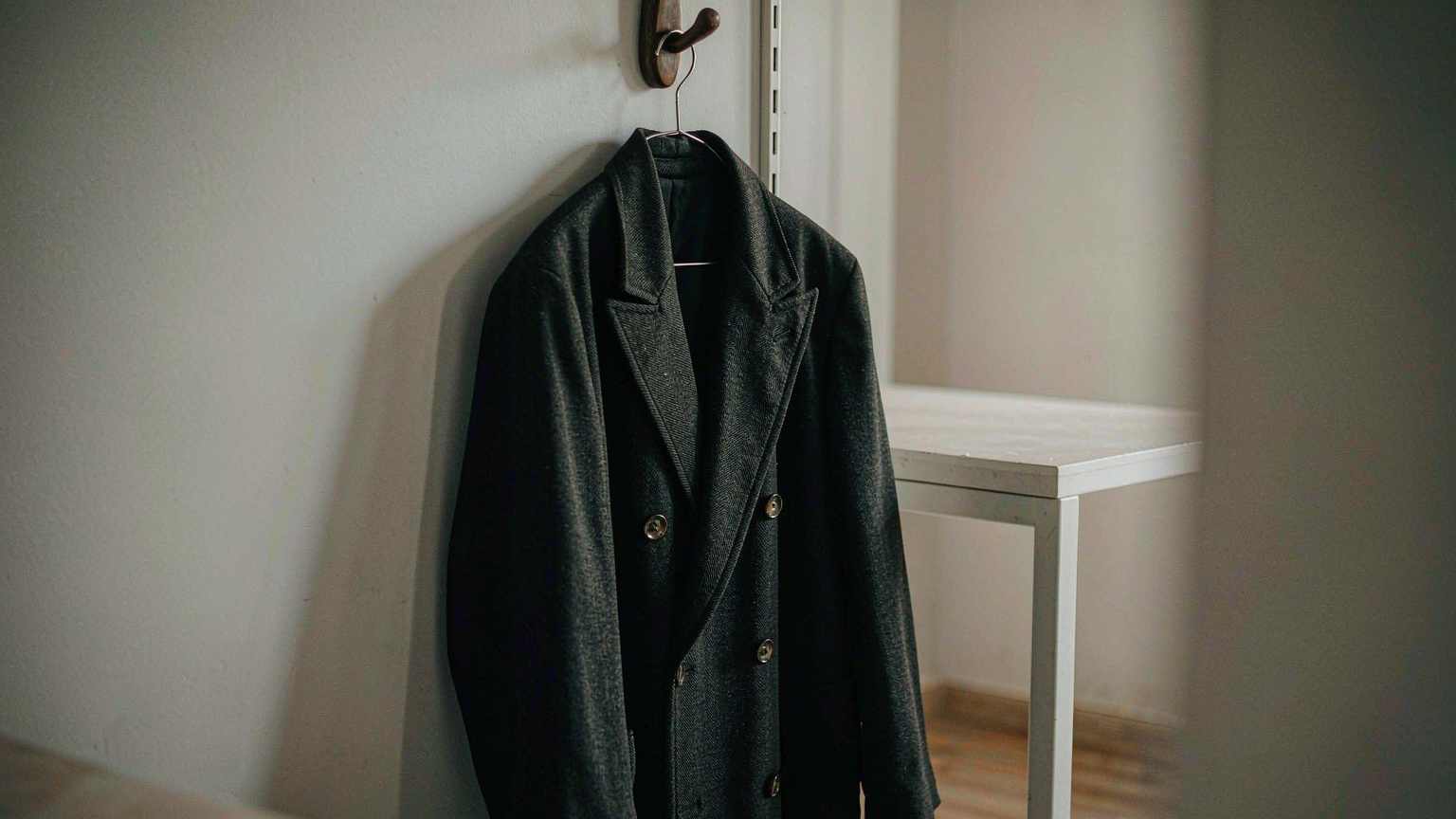
OpenAI rolled out two shopping features this week, and one of them is a quiet statement about where image generation is headed. ChatGPT can now show you what a piece of clothing looks like on you, using a photo you upload, and save the results next to the items you are considering buying.
The feature arrives as a fitting room rather than a generator, and that framing carries the whole release.
How it works
Ask ChatGPT for clothing recommendations and eligible items now carry a "Try on" button. Tapping it prompts you for a selfie or a full-body photo. ChatGPT then generates an image of you wearing the item. You are not limited to products ChatGPT found on its own: you can paste a link to a coat you saw somewhere else, or upload a screenshot, and ask the tool to show it on you. In the demo I would expect the second path to be the more useful one, because most people do not start their shopping inside a chatbot.
The second feature is Favorites, a library where you can save products and organize them into folders. Try-on images get saved alongside the items, so a folder becomes a small visual wardrobe of things you are weighing.
OpenAI says both features run on ChatGPT Images 2.5, the image model it introduced in September. The company describes the improvements that matter for this use case: more natural lighting, richer textures, and better adherence to editing instructions. All three are exactly what a convincing try-on needs. A generated image that gets the lighting wrong or turns the fabric into plastic breaks the illusion immediately, and users judge the feature on that illusion rather than on benchmark scores.
Reference photos are saved so you do not have to upload the same selfie every time, and they can be managed or deleted under Settings, then Personalization, then Reference photos. That is a reasonable default for convenience and a predictable place for privacy questions to land.
The caveat OpenAI puts on its own feature
The company is upfront that this is not a fitting system. A generated image shows how an item might look, not how a particular size will fit. It does not measure your body or simulate how a garment drapes. OpenAI's own guidance tells users to check the merchant's measurements, product details and return policy before buying.
That honesty is worth noting because it defines the feature's real value. Being able to visualize an outfit does not remove the sizing guesswork that makes online clothing shopping frustrating. It removes a different layer of uncertainty, the one about whether a color or silhouette suits you before you commit to ordering something to try.
There is a competitive context too. Google brought a similar try-on capability to its shopping tools earlier, so OpenAI is not first here. The company is also reportedly stepping back from an instant-checkout push, which makes the try-on and Favorites update look less like a checkout play and more like a way to keep people researching inside ChatGPT.
Why image models keep ending up in commerce
The pattern behind this release is bigger than one feature. The most useful image-generation jobs are turning out to be the ones that sit inside another task, where the image is not the product but a step in getting something done.
A fitting room is one example. Editing a photo to change a jacket's color before listing it is another. Redrawing a product against a clean background, straightening the lighting on a room so a listing reads better, or restyling a real-estate photo without a physical staging crew are all the same shape: a person has a goal, and generating or editing an image is how they reach it.
That shape rewards different qualities than a text-to-image demo does. It rewards consistency, because the person needs the same face, the same garment and the same room to survive several edits. It rewards instruction-following, because the user cares about the one thing they asked to change and will notice if anything else moved. It rewards latency, because a fitting room is not entertaining if it takes a minute per try. All three of those are why a model like ChatGPT Images 2.5, billed around editing accuracy and speed, is what powers the feature rather than a model built for spectacle.
For creators and builders, the takeaway is where the money and the usage are landing. Standalone generators still matter, and the market for them is not shrinking. But the larger volume of image generation is sliding into workflows where the output is judged by whether it helped someone finish a job, not by whether it is beautiful on its own. A try-on button in a shopping list is a small feature. It is also a sign that the image model has become plumbing inside the rest of the app.
Why try-on tools failed before
Virtual try-on is not new. Retailers have offered it for years, and Google put a version into its shopping tools ahead of OpenAI. The reason it never became a default part of online shopping is that early implementations were not good enough. They produced images that looked wrong in ways people notice instantly: a garment that hugged the body like shrink wrap, a face that lost its likeness, a sleeve that passed through an arm, lighting that belonged to a different photo. When the output does not look like you, the feature adds doubt instead of removing it.
Two things changed. Image models got much better at preserving the subject while changing one thing, which is the exact skill a try-on needs. And generation got faster, which matters more than it sounds. A fitting room that takes a minute per attempt is a novelty you try once. One that answers in a few seconds is a step you build into how you shop. OpenAI's description of ChatGPT Images 2.5 emphasizes natural lighting, richer textures and reduced latency, and those three map directly onto the three ways earlier try-on failed.
The remaining gap is the one OpenAI names itself. Try-on shows how something might look. It does not tell you whether the size will fit, which is the problem that actually drives returns. Until a model can reason about a garment's cut and your measurements, this feature reduces the uncertainty before you buy, not the uncertainty after it arrives.
The privacy question that comes with the convenience
Saving reference photos is what makes the feature pleasant and what makes people uneasy. The convenience of not re-uploading a full-body photo every session is real. So is the fact that a photo of your body now lives inside an account that is also building a profile of what you want to buy.
OpenAI gives users a delete option and a settings page, which is the minimum bar. Whether it is enough will depend on how clearly the storage is explained to people who never open that settings page. The feature is free to use, and the price of anything free tends to be paid in data, a fact worth remembering while the fitting room is still fun to play with.
Related articles
Step 5 Skipped Four Version Numbers, Landed Second Among Open Models, and Nobody Is Calling It
Benchmark position is a signal producers use to judge a model. Call volume is a signal consumers produce by using it.
Gemini Omni 1.1 Flash Chained Four Requests Into a 40-Second Shot. The Workflow Is the Product.
Google shipped a production pipeline with a review gate built into the pricing.
Microsoft Cut Partial-Transcript Latency to 100 Milliseconds. That Changes What Transcription Is For.
Below 100 milliseconds, a transcription product can respond while someone is still talking.
Synthesia Spent a Decade Recording Avatars. Now It Wants Them to Talk Back.
A training tool people voluntarily repeat is a different product from one they complete because someone assigned it.