
A $60 Weekly Robot Cleanup. Two Hundred Jobs In, the Data Is the Customer.
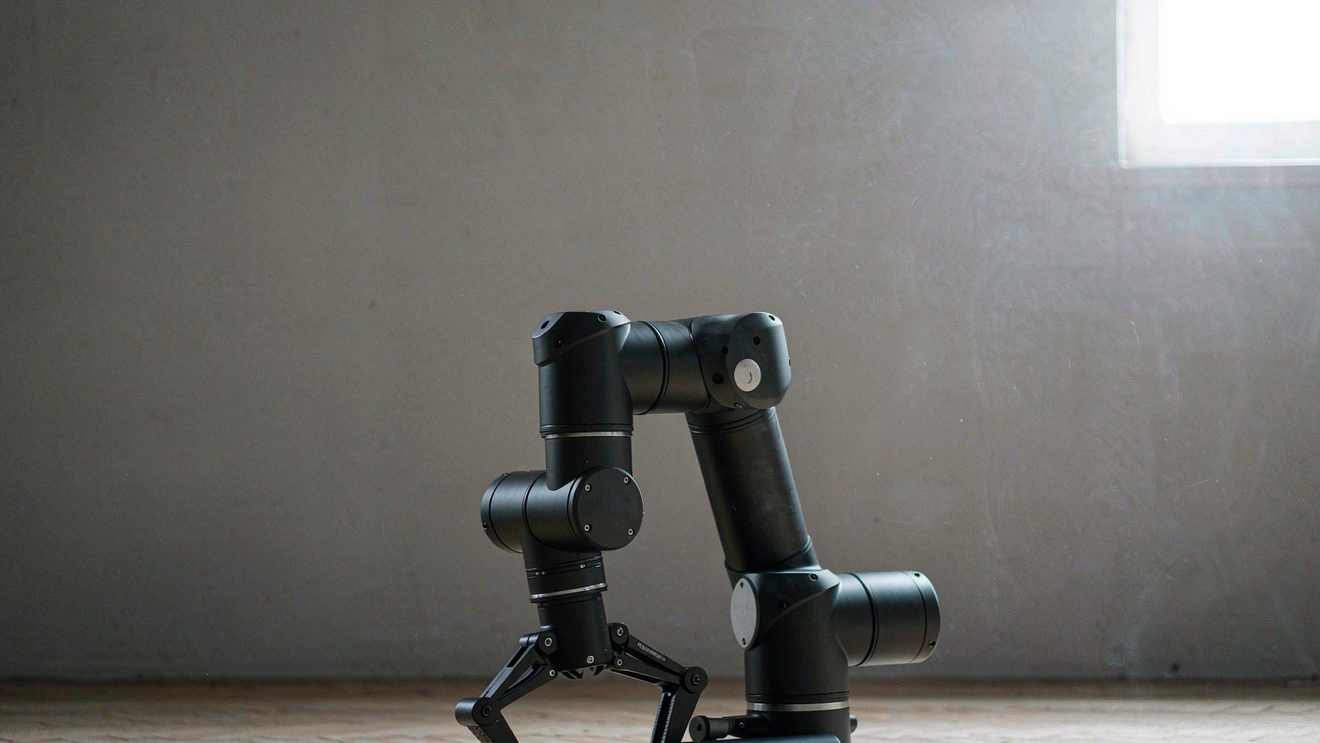
A four-and-a-half-foot robot cleaned a San Francisco apartment for money, and MIT Technology Review sent a reporter to watch. The account, published 6 November, is the most specific public record of what a paid household robot actually does in 2026, and almost none of the interesting detail is about the robot's intelligence.
Tau Robotics charges $60 for a weekly cleaning with two robots, or $100 for a single visit. The reporter booked an earlier offer, $30 for an hour with one robot. The price is low enough that it looks like a subsidy, and Tau's cofounder Cornelia Weinzierl says close to that: the data is valuable to the company, so the service is priced below what the labour would otherwise cost.
What the machine is
The robots are 4.5 feet tall, carry cameras in their heads and wrists for remote operation, and have a 3D-printed head with communications antennae and two 3D-printed claw hands. Humanlike hands were considered and dropped, because they did not survive the work. A hand that looks right and breaks is worse than a claw that grips, which is the least glamorous engineering decision in the story and the most honest one.
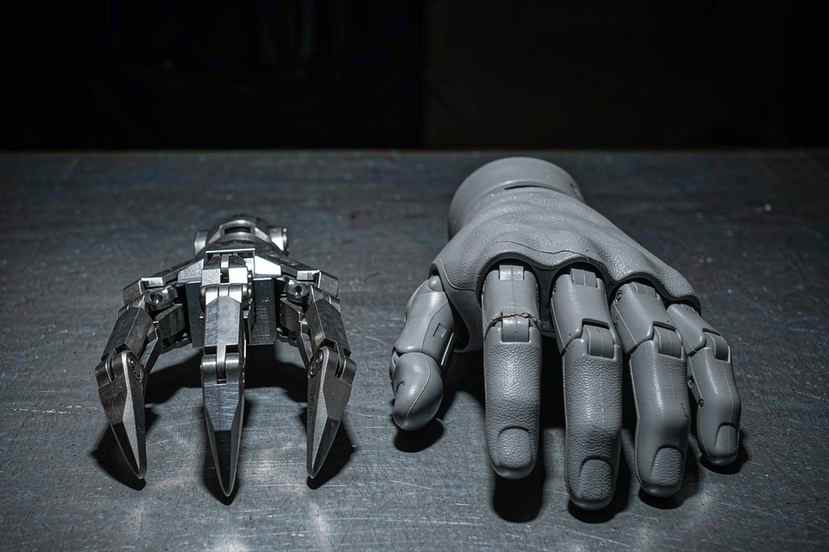
Vacuuming and mopping already run without a human. Everything that requires judgement about objects, which means making a bed and folding laundry, runs on kinematic guidance: a remote pilot performs the motion, sensors transmit it, the robot copies it. The copy is also a training example, which is the point.
The first visit failed, and not because of the robot
The robot struggled on the building's entrance stairs and had to be carried up the last steps of an interior staircase. Weinzierl attributed the uneven walking partly to transmission delay between the robot and its controller.
Then it stopped, repeatedly, and the visit ended before the booked hour was up. The initial assumption was overheating in the robot. The actual cause was heat shutting down the equipment its human operator was using to see the apartment. With the pilot's display gone, the robot could not continue.
Tau refunded the visit and offered another. The failure is worth sitting with, because it is the failure mode that home robotics will keep producing: the expensive machine was fine, the cheap link in the chain was not, and the service depended on a laptop or tablet in a warm room staying up.
The second visit is the actual demo
On the retry, the robot climbed the stairs with little assistance and cleaned the kitchen and the toilet within the hour. The toilet brush head detached three times, and each time the robot manoeuvred the handle until it reattached. Skipped: the stove. Left behind: dripping taps, a knocked-over oil bottle, and an air purifier it toppled and could not right.
A competent, slow, partial cleaning. It is also, for $30 an hour, not a bargain, which the reporter says plainly. Cleaning is a task where the last ten percent takes half the time, and a robot that gets eighty percent of a kitchen and leaves the stove is producing a result a customer will notice.
Two hundred cleanings is the real number
At the time of the report, Tau had completed only a couple of hundred cleanings. Everything about the company's plan depends on that number growing, because the autonomy is supposed to come from the demonstrations the pilots generate.
The pattern is borrowed from autonomous driving: put a human in the loop, let the human do the hard part, harvest the trajectory, train the model, remove the human gradually. It worked for cars with a fleet, a decade and a regulatory category that tolerated the intermediate stage. Households are different in three ways that matter.
The environment is not shared. Every home is a different floor plan, a different set of objects, a different definition of clean. A driving model generalises because roads are built to a spec. A kitchen has no spec.
The failure is intimate. A car that disengages on a highway is a safety event with a protocol. A robot that tips an air purifier in someone's living room is a customer service event, and the customer is standing right there.
And the data is recorded inside a home. Cameras in the head and wrists, running for an hour, in an apartment with a person in it, is a privacy arrangement that has to be explained before the first visit and cannot be undone afterwards. The report notes the trade-off without resolving it.
Who this displaces, and what Tau says about it
Weinzierl's argument is that cleaning has high turnover and a high injury rate, so robots address a labour problem rather than create one. That is the standard framing and it is partly true. It is also true that the people who do this work now are the people who would lose it, and the report is blunt that the United States is far from any policy that would help them.
The company is considering mold remediation and home health care next, both described as dangerous or physically demanding. Those are better robot markets than cleaning in one respect: the customer is an institution, the environment is repeatable, and the liability is already priced.
What to watch
The number that will tell you whether this works sits nowhere near the price or the demo. It is the ratio of pilot minutes to robot minutes, over time, in homes the company has never seen. At the moment that ratio is close to one for the tasks that matter, and the entire business case is that it falls.
There is a second number worth tracking, which is how many visits a home needs before the robot stops needing help. The second visit in the report went better than the first, in the same apartment, with the same layout. That could be learning or it could be familiarity with one floor plan, and the difference decides whether the business scales across a city or only across a client list.
A third number is the cost of a failed visit. Tau refunded the first one and offered a free retry, which is the right response and a real cost: two visits of robot time, two of pilot time, and a customer whose first impression was a machine stopping in the middle of the floor. At $30 to $100 a visit there is not much room for that, which is another way of saying the current price only works while the data is worth more than the service.
Until the ratio falls, Tau is running a data collection operation with a cleaning service attached, priced to keep the visits coming. The robot carried the vacuum. The pilot carried the judgement. Somewhere in between is the dataset that has to make the second job disappear.
Related articles
The Jensen Discount: What Nvidia Loses When Its Founder Walks Out
Nvidia lost roughly $600 billion in market value when its founder stepped down. The earnings did not change. The multiple did, and that says where the value really lived.
Chinese text in video always turns to mush. Dreamina handed the typesetting to code
Dreamina launched Motion Studio on November 10. It no longer generates frames; the model writes code that lays out text, shapes and pacing. Chinese titles stop blurring, but whether the content is right is still on you.
A community spreadsheet of taps that turns off the ads inside Chinese Android builds
A no-root tool that switches off the ads Chinese phone makers ship inside the system UI. Its method is a hand-written tap script per phone model, maintained by volunteers every time a ROM moves. It works, and the maintenance is the point.
GPT Image 2.6 held the token price and raised the bill
GPT Image 2.6 kept every token rate from 2.5 and still costs more per image, because more of the work now happens in output tokens. Eleven days into the ramp, the pricing structure says more than the leaderboard does.